8 Lighting Mistakes That Make a Well-Designed Room Look Off
Great furniture and paint choices can still fall flat under the wrong lighting — here's what to fix first.
What's inside 11 sections
Quick answer: Relying on a single overhead fixture, mismatching bulb color temperature, skipping dimmers, hanging fixtures at the wrong height, and ignoring task-specific lighting are the mistakes that most often make an otherwise well-designed room feel flat or slightly wrong — and every one of them is fixable without a major renovation.
I can walk into a genuinely beautiful room — great furniture, a thoughtful color palette, nice art on the walls — and still feel like something's off, and nine times out of ten it's the lighting doing the damage. Lighting is the most underrated variable in how a room actually feels, and it's also one of the cheapest things to fix once you know what's actually wrong.
1. Relying on a Single Overhead Fixture
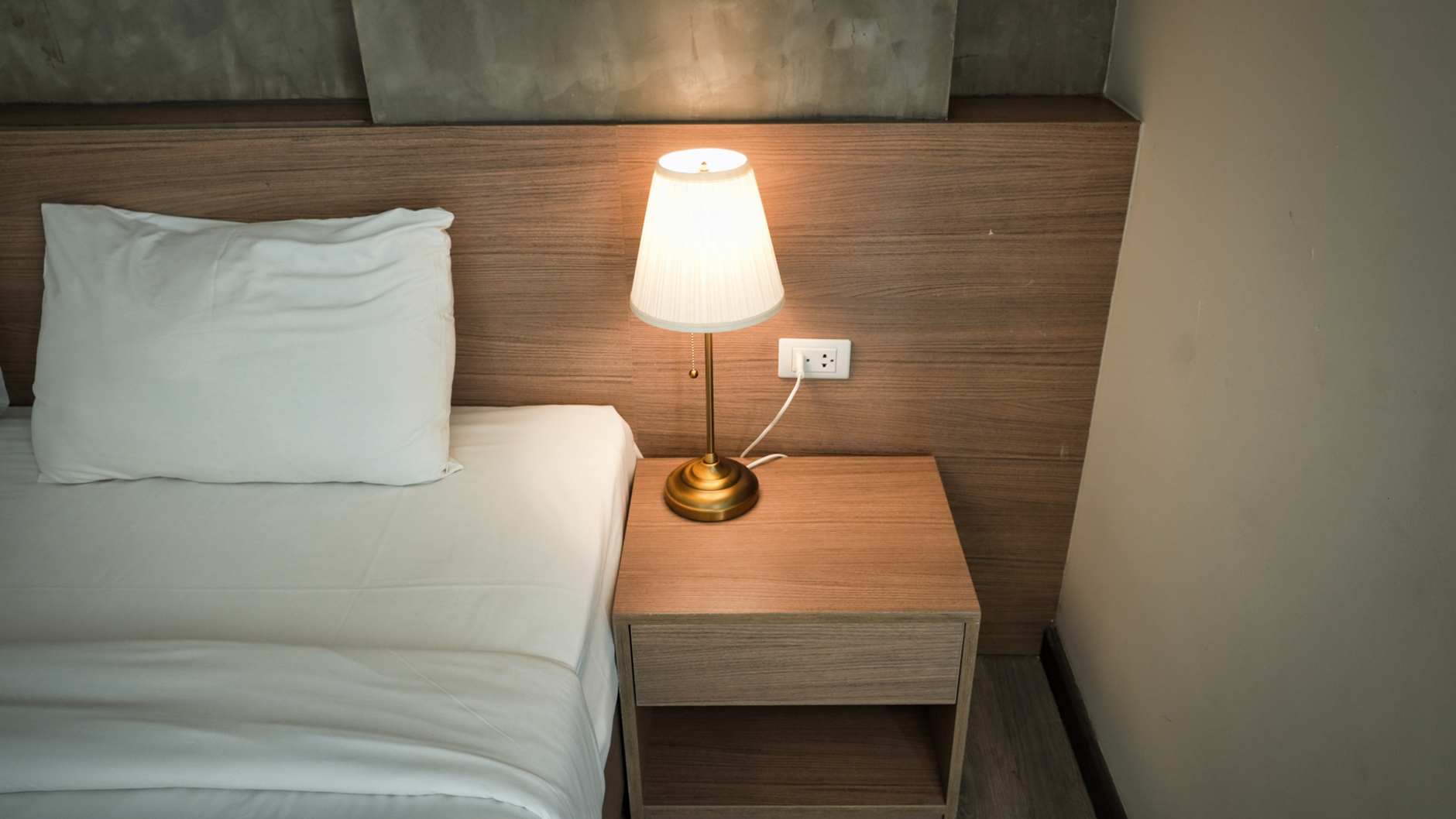
One ceiling fixture lighting an entire room creates flat, even light with harsh shadows directly beneath anything three-dimensional — furniture, plants, people. This is the single most common lighting mistake I see, and it's rarely the fixture's fault; it's that the room has no other light source doing any work. Layer in floor lamps, table lamps, and if possible, some accent lighting, so the room has light coming from multiple heights and directions rather than one flat source from above. For the government's own guidance on this specifically, see ENERGY STAR's certified lighting directory.
2. Mismatched Color Temperature
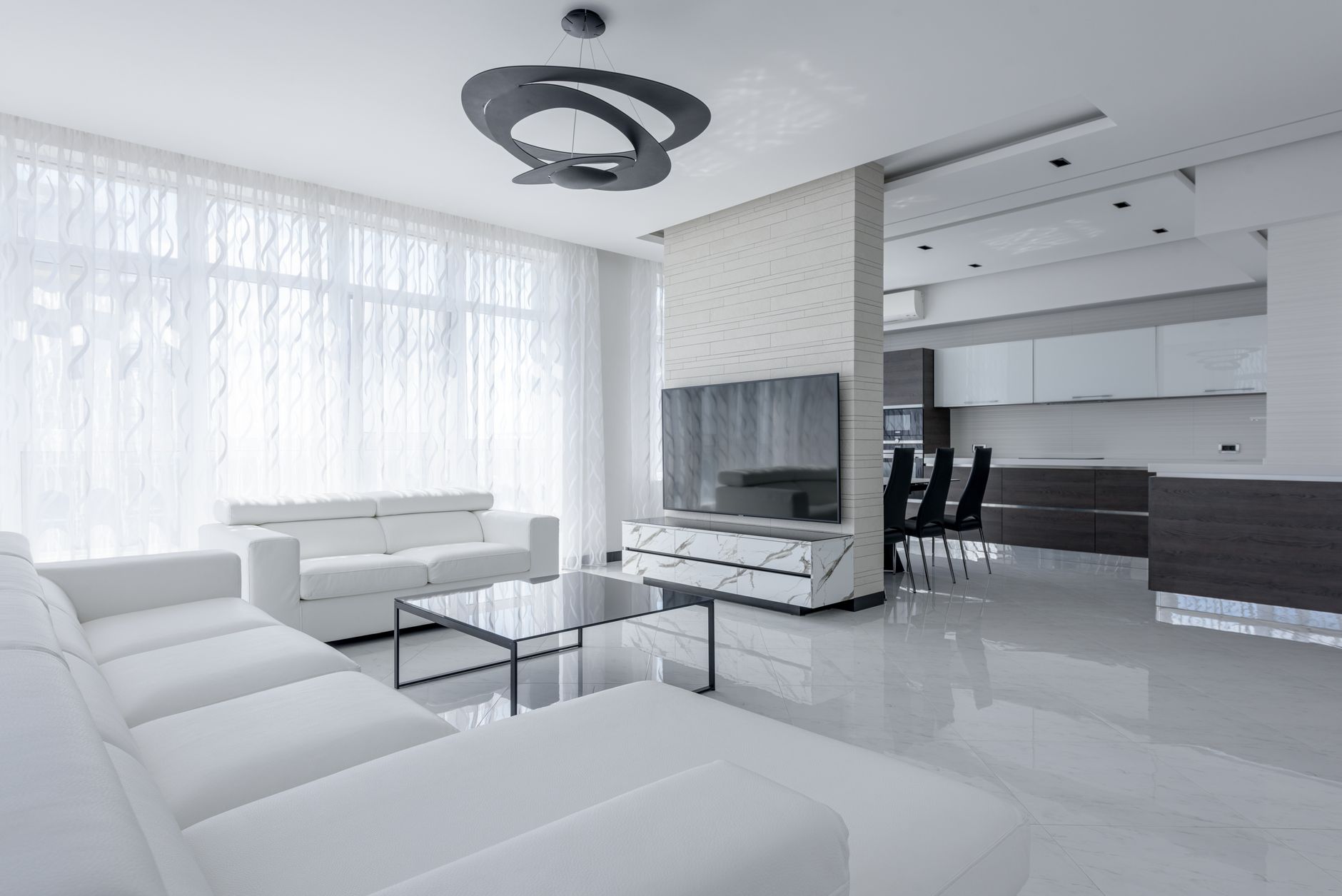
Every bulb has a color temperature, measured in Kelvin, and mixing warm (around 2700K) and cool (3500K+) bulbs within the same room creates a visually jarring, slightly chaotic effect even if nobody in the room could immediately name why it feels off. Standardize your color temperature within a room — warm white for most living spaces, something a bit cooler for task-focused areas like a home office or kitchen — and check the Kelvin number on the packaging rather than assuming "warm" or "soft white" means the same thing across every brand. For the official rules on this, see the DOE's Energy Saver program.
3. Hanging Fixtures at the Wrong Height
A pendant light hung too high over a dining table looks disconnected from the space it's meant to illuminate; hung too low, it becomes an obstruction people have to crane around. A general rule of thumb for a dining table pendant is 30-36 inches above the table surface, though this varies with ceiling height and the specific fixture's size. Getting this measurement right is a small detail that makes an enormous difference in how intentional the whole room feels.
4. Skipping Task Lighting Entirely

Ambient, room-filling light is not the same as task lighting, and a lot of rooms skip the latter entirely. A reading chair with no nearby lamp, a kitchen counter lit only by a distant ceiling fixture, a bathroom vanity lit from directly overhead instead of from the sides — these are all situations where the general room lighting technically illuminates the space but fails the specific activity happening there. Add a dedicated task light wherever a specific activity — reading, cooking prep, grooming — actually happens. For the fuller version of this specific question, see open-concept vs. closed floor plans and resale value. If that side of it applies to you, maintenance tasks homeowners tend to skip covers it in more detail.
| Mistake | Simple Fix |
|---|---|
| Single overhead fixture only | Add floor and table lamps for layered light |
| Mismatched bulb color temperature | Standardize Kelvin rating across the room |
| Pendant hung at wrong height | 30-36 inches above table surface as a starting point |
| No task lighting | Add a dedicated lamp or fixture at the activity zone |
5. No Dimmers Anywhere in the House
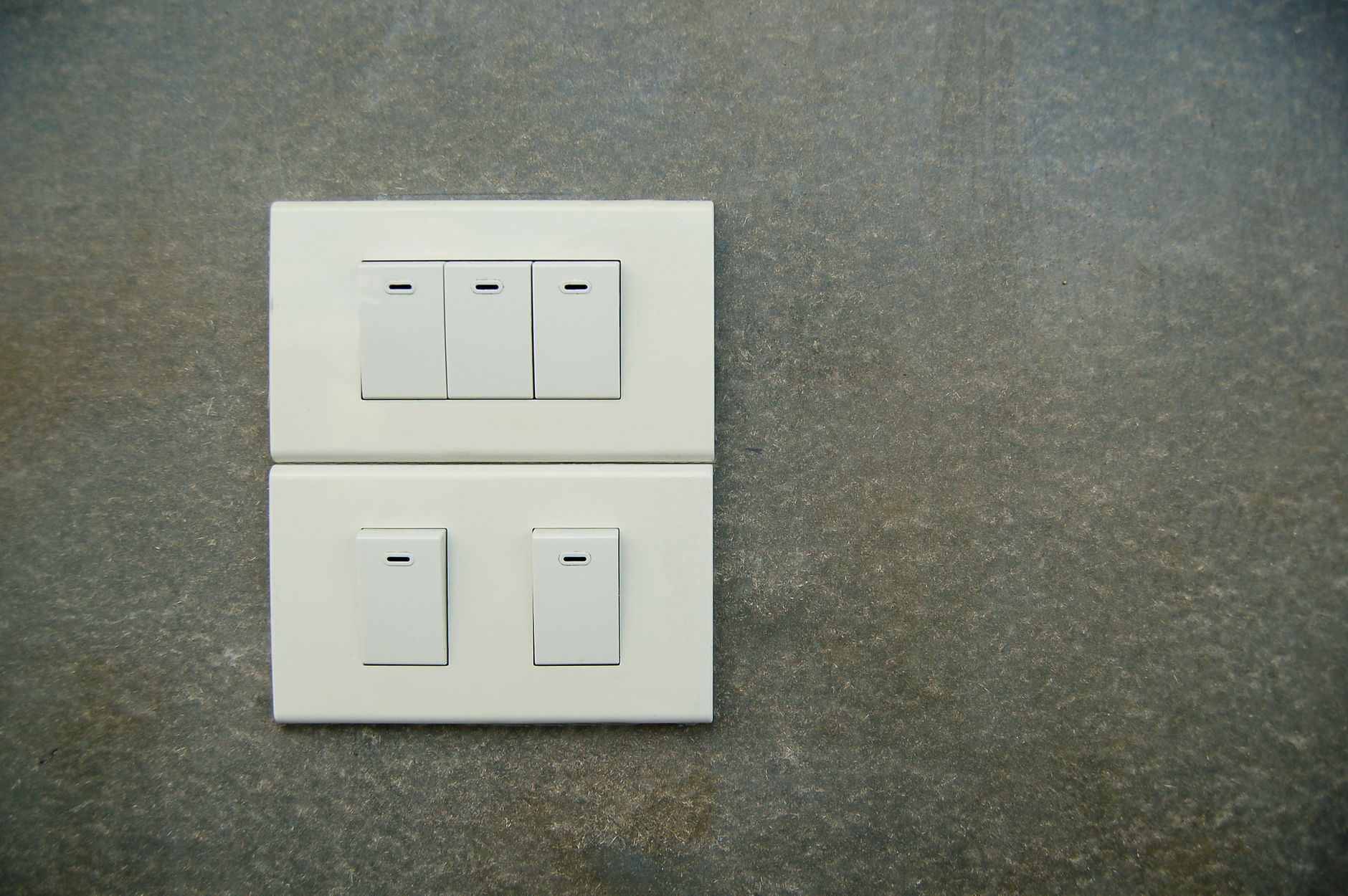
A room that's lit the same intensity at 7am and 10pm rarely feels right at both times, since the ideal brightness for waking up and getting ready is genuinely different from the ideal brightness for winding down in the evening. Dimmer switches are a relatively inexpensive upgrade — often just swapping the switch itself, assuming your bulbs and fixtures are dimmer-compatible — and they make a noticeably bigger difference to how a room feels throughout the day than their modest cost would suggest.
6. Ignoring Natural Light's Daily Changes
A room that looks perfectly lit at 2pm can look completely different by 7pm once natural light fades, and a lot of rooms are designed and lit based on how they look during a single daytime visit rather than across a full day's light cycle. Walk through your main living spaces at a few different times of day and note where the lighting genuinely falls short once natural light diminishes — that's exactly where an added lamp or fixture will make the most noticeable difference.
7. Choosing Fixtures for Looks Alone, Ignoring Light Quality
A gorgeous fixture that casts an unflattering, overly harsh, or oddly colored light isn't actually doing its job, however good it looks turned off. Always check the actual light output — not just the fixture's appearance — before committing, ideally by seeing it lit in a showroom or checking detailed reviews that specifically address light quality rather than just style.
8. Forgetting That Bulbs Are Swappable, Even in a Fixture You Love
If a fixture you already love is casting light that doesn't quite work for the room, the fix is very often just the bulb, not the fixture itself. Before assuming you need to replace an entire light source, try a different bulb — a different Kelvin rating, a different brightness level, a different beam angle for a directional fixture — since this is by far the cheapest and easiest lighting fix on this entire list, and it solves more lighting complaints than people expect.
Layering Light in Practice, Room by Room
A genuinely well-lit living room typically has at least three light sources at different heights: overhead or ceiling-level ambient light, a floor or table lamp at seated eye level, and some kind of accent lighting — a picture light, an uplight behind a plant, a lit shelf — providing visual interest at a third level entirely. This layered approach is what professional designers mean when they talk about a room feeling "finished" versus flat, and it's achievable in almost any room regardless of budget, since lamps and simple accent fixtures are relatively inexpensive additions.
Smart Bulbs Can Help, But Don't Solve Everything
Smart bulbs that let you adjust color temperature and brightness from an app offer a lot of the same benefit as physical dimmers and carefully chosen fixed-Kelvin bulbs, with more flexibility to change your mind later without buying new bulbs. The tradeoff is the same one covered elsewhere with smart home devices generally — an extra layer of app dependency that some households find more hassle than benefit for something as simple as turning on a light. If you go this route, make sure everyone in the household is actually comfortable using the app, or you'll end up with lights nobody adjusts because it's easier to just leave them as-is.
The Cumulative Effect of Getting This Right
None of these eight fixes require a major renovation or a big budget individually, but addressing several of them together in the same room produces a genuinely dramatic transformation — often more noticeable than a new coat of paint or a furniture swap, and usually for less money than either. Lighting is the most cost-effective design lever in most homes precisely because it's the one most people overlook until a room simply doesn't feel right and they can't quite say why.
We go deeper on planning a kitchen renovation on budget in a separate guide, worth a look if it's relevant here.