9 Maintenance Tasks Homeowners Skip That Cost Them Later
None of these take more than an hour. All of them get expensive when nobody does them for years.
What's inside 8 sections
Quick answer: Dryer vent cleaning, refrigerator coil cleaning, smoke detector battery checks, re-caulking around tubs and windows, and flushing the water heater are the tasks that get skipped most often — and every one of them turns a cheap five-minute job into an expensive repair if it's ignored long enough.
Every one of these shows up in my work eventually, usually as a bigger problem that started as a small one nobody got around to. None of them are hard. None of them take more than an hour. The reason they get skipped isn't difficulty — it's that nothing bad happens the first year you skip them, or the second, right up until it does.
1. Cleaning the Dryer Vent

Lint builds up in the vent hose and the exterior vent flap over time, restricting airflow. That makes the dryer run hotter and longer to dry the same load, wears out the heating element faster, and — this is the part that matters most — raises fire risk significantly. Pull the vent hose off the back of the dryer once or twice a year and clear it out. It's a five-minute job that prevents both a fire hazard and a slow appliance failure. For the primary source behind this, Energy Saver program is worth checking.
2. Cleaning Refrigerator Coils

The condenser coils, usually on the back or underneath the fridge, collect dust and pet hair over time, which makes the compressor work harder to dissipate heat. That shortens the compressor's life and raises your electric bill in the meantime. Vacuum them out once a year — it takes ten minutes and is the single easiest way to extend the life of one of the more expensive appliances in your kitchen. We go deeper on winterizing your home before the first freeze in a separate guide, worth a look if it's relevant here.
3. Flushing the Water Heater
Sediment settles at the bottom of the tank over time, reducing efficiency and, eventually, contributing to the kind of tank failure that leads to a flood. A yearly flush — draining a few gallons through the drain valve until it runs clear — clears out a lot of that buildup and is genuinely one of the best-value maintenance tasks in the whole house. For the official rules on this, see ENERGY STAR's certified product directory.
4. Testing Smoke and CO Detectors
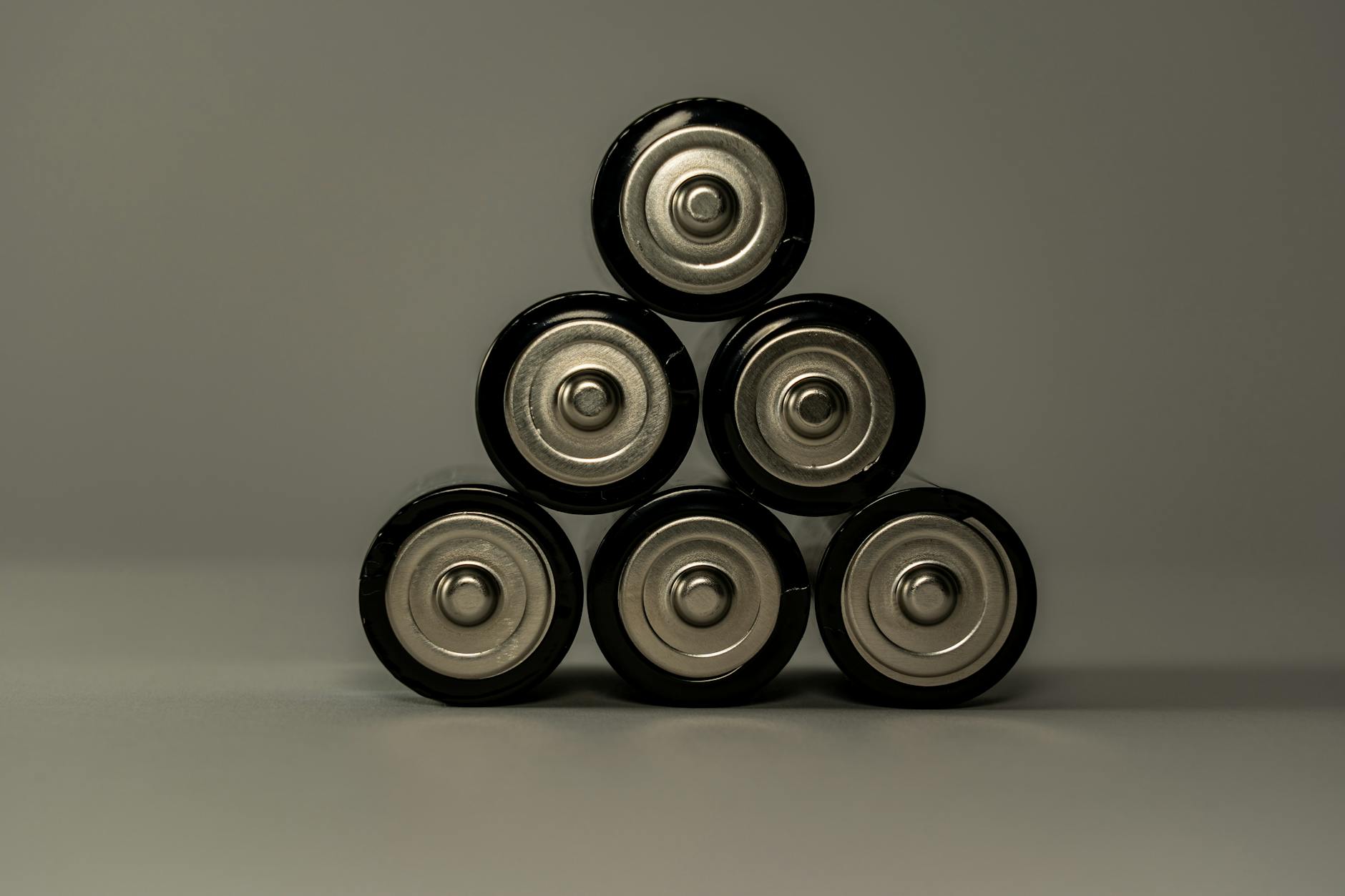
The test button takes two seconds. Replacing the battery takes another minute. And yet dead or disabled detectors are shockingly common, usually because a battery died months ago and nobody's gotten around to it. Tie it to a specific date each year — a birthday, a time change — so it's not something you have to remember to remember.
5. Re-Caulking Around Tubs, Sinks, and Windows

Caulk fails gradually — a hairline gap that lets in a small amount of water, which then works its way into a subfloor or wall cavity over months before it's visible as actual damage. Check caulk lines once a year and redo anywhere it's cracked, peeling, or gapped. It's a $10 tube of caulk and twenty minutes versus a subfloor repair that can run into the thousands once water's been getting in unnoticed for a year or two. It's a related question to getting preapproved without hurting your credit, which digs into that side specifically.
| Skipped Task | Cost to Do It | Cost If Ignored Long Enough |
|---|---|---|
| Dryer vent cleaning | Free (your time) | Fire risk, appliance failure |
| Water heater flush | Free (your time) | Shortened tank life, potential flood |
| Re-caulking | $10-$20 | Subfloor/wall water damage, $1,000+ |
| Refrigerator coil cleaning | Free (your time) | Shortened compressor life, higher bills |
6-9: The Rest of the List
6. Checking HVAC filters monthly — a clogged filter makes the whole system work harder and fail sooner. 7. Testing the sump pump before rainy season — pour a bucket of water in and watch it kick on; don't find out it's dead during an actual storm. 8. Inspecting the roof from the ground twice a year — binoculars work fine; you're looking for missing or curling shingles. 9. Checking exterior grading after heavy rain — water should be moving away from your foundation, not pooling against it.
None of these tasks require a professional. They require about four total hours a year, split across a couple of weekends, and they're the difference between routine upkeep and the kind of repair bill that makes you wish you'd just done the easy thing back when it was still easy.
Building These Into a Routine That Actually Sticks
The reason most of these tasks get skipped isn't that anyone disagrees they matter — it's that there's no natural trigger reminding you to do them. Tie each one to something that already happens on a schedule: check smoke detectors and flip your HVAC filter when the clocks change twice a year, flush the water heater and test the sump pump around the same weekend every spring, clean the dryer vent and refrigerator coils around a specific holiday you'll remember. The specific dates matter less than picking something memorable and actually sticking to it.
A simple recurring reminder on your phone works fine too, if you're the type who'll actually act on the notification rather than dismissing it for the fifth time in a row. The format matters less than having some system at all — the households that stay on top of this stuff aren't necessarily more diligent people, they've just built the habit into something that happens automatically instead of relying on remembering it fresh every single year.
Keep a Simple Log
Jot down the date each time you do one of these tasks — a note on your phone, a sheet on the fridge, whatever's easiest. This does two things: it tells you at a glance when something's overdue instead of relying on memory, and it becomes genuinely useful documentation if you ever sell the house and want to show a buyer that the water heater's been flushed annually and the HVAC filter changed on schedule. Buyers and their inspectors notice signs of consistent maintenance, and a simple log is an easy way to make that visible instead of just something you know happened but can't prove.
None of this needs to be elaborate — a simple spreadsheet or even a note on your phone with dates and what was done is plenty. The goal isn't a perfectly organized maintenance archive; it's just having something more reliable than memory to fall back on when you're trying to remember whether you actually flushed the water heater this year or if that was last year you're thinking of.
If you split a house with a partner or roommate, agree on who owns which tasks rather than assuming the other person's got it covered. A surprising number of these small maintenance items fall through the cracks specifically because both people in a household assumed the other one was handling it — a clear, explicit assignment, even an informal one, closes that gap more reliably than good intentions alone ever will.
Treat this list as a starting point, not the complete inventory. Every house has its own particular quirks and wear points worth adding to a personal version of this checklist over time — the goal is simply staying ahead of small, cheap fixes instead of discovering them only once they've become expensive ones. If this is part of your situation, signs your water heater is about to fail is worth reading alongside it.