7 Renovation Mistakes That Tank Resale Value
Personal design choices are great to live with — some of them just aren't great to sell.

What's inside 12 sections
Quick answer: Removing bedrooms, over-personalizing with bold or unusual finishes, over-improving beyond what the neighborhood supports, poor-quality DIY work, converting a garage without a clear path back, skipping permits, and ignoring your specific local market's preferences are the mistakes most likely to hurt resale value — regardless of how much you personally love the result while living there.
I love a bold, personal design choice as much as anyone, and I'll always encourage someone to make their home genuinely feel like theirs. But when resale value is part of the equation, some choices carry real financial risk, and it's worth knowing which ones before you commit, even if you love the idea.
1. Removing a Bedroom
Combining two bedrooms into one larger primary suite feels luxurious while you're living there, but in markets where buyers in your price range specifically shop by bedroom count, dropping from four bedrooms to three can meaningfully narrow your buyer pool and hurt value. This isn't universal — some higher-end markets specifically reward a more luxurious primary suite over an extra bedroom — but check your local comparable sales before assuming either direction. The current figures are maintained by NAHB's housing economics research, worth bookmarking if you want to check for updates.
2. Highly Personalized, Unusual Finishes

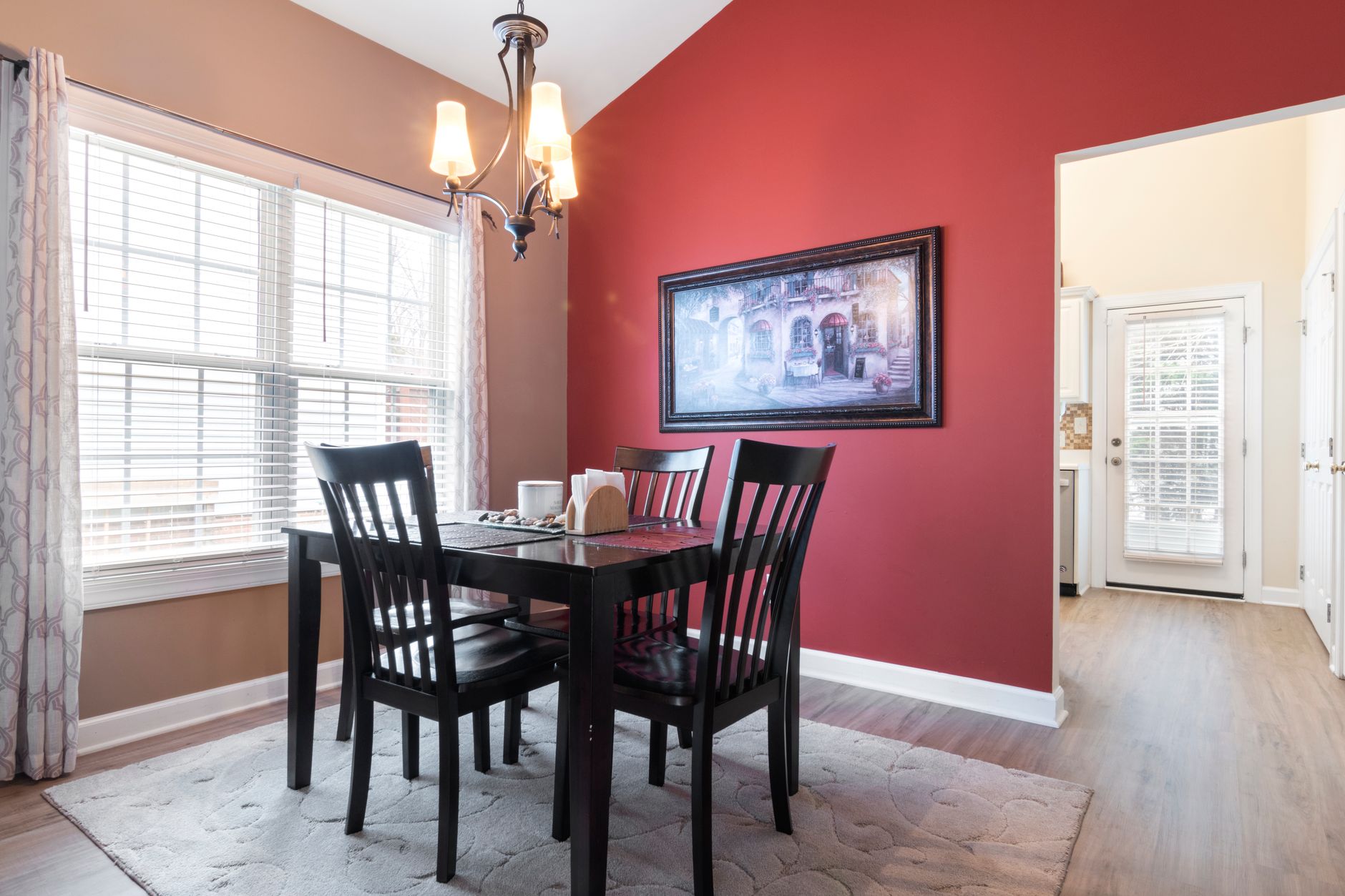
A bold accent wall or a very specific design aesthetic is a genuinely great choice to live with — but a buyer touring the home who doesn't share that exact taste has to mentally do (and price in) the work of undoing it. This doesn't always tank the sale price directly, but it commonly narrows your buyer pool and can extend how long the home sits on the market before the right buyer comes along. If that side of it applies to you, small-space design tricks that actually work covers it in more detail.
3. Over-Improving for the Neighborhood
A high-end kitchen renovation in a modest neighborhood where comparable homes don't support that level of finish rarely recoups its full cost at resale, since buyers shopping in that specific price range and area are comparing your home to its neighbors, not to homes in a pricier part of town. This is one of the most common and most expensive renovation mistakes, precisely because it's driven by genuinely good taste applied to the wrong context. See NAR's remodeling and resale research for the source data behind this.
| Mistake | Resale Impact |
|---|---|
| Removing a bedroom | Can narrow buyer pool in bedroom-count-sensitive markets |
| Highly personalized finishes | Narrows buyer pool, can extend time on market |
| Over-improving for the area | Rarely recoups full renovation cost |
| Skipped permits | Can complicate or delay closing entirely |
4. Poor-Quality DIY Work

A DIY project that looks fine from a few feet away but shows real quality issues up close — uneven tile lines, a poorly hung door, visibly amateur electrical or plumbing work — gets noticed during a home inspection and can become a genuine negotiating point against you, or a red flag that makes a buyer wonder what else in the house was handled the same way. It's a related question to DIY repairs vs. calling a pro, which digs into that side specifically.
5. Converting a Garage With No Path Back

Converting a garage into living space can add square footage, but in a market where buyers specifically value covered parking or storage, a garage conversion that's difficult or expensive to reverse can actually hurt value rather than help it. If you're considering this, check how much your local market genuinely prioritizes garage space before committing to a conversion that's hard to undo later.
6. Skipping Permits
Unpermitted work doesn't just risk a fine — it can complicate or even derail a sale entirely if it surfaces during the buyer's due diligence, and it can create real issues with a buyer's insurance or financing if the work isn't properly documented and up to code. This is one mistake that's genuinely not worth the shortcut, regardless of how much time it seems to save upfront.
7. Ignoring What Your Specific Local Market Actually Values
General renovation advice, including plenty of what you'll read online, doesn't always match what buyers in your specific city or neighborhood actually prioritize. A good local real estate agent can tell you concretely what's actually driving value in your market right now, and that conversation, had before a major renovation rather than after, is worth far more than following a generic national trend that may not apply to your specific area at all. We go deeper on budget-friendly furniture that doesn't look cheap in a separate guide, worth a look if it's relevant here.
How to Balance Personal Enjoyment With Resale Awareness
None of this means you shouldn't make choices you genuinely love just because they carry some resale risk — plenty of homeowners reasonably decide that years of daily enjoyment outweigh a somewhat narrower buyer pool down the line. The mistake isn't making a bold choice; it's making one without understanding the tradeoff you're accepting. Go in with clear eyes about which of your specific choices lean personal-enjoyment-first versus resale-friendly, and make sure that balance reflects an actual decision rather than something you never consciously weighed.
Reversibility Is an Underrated Factor
When weighing a bold or personal design choice, consider specifically how reversible it is if you do end up selling sooner than planned. A bold accent wall is a weekend and a can of paint to neutralize. A highly custom built-in or an unusual permanent fixture is a much bigger undertaking to undo. Choosing bold in the reversible categories and staying more neutral in the permanent, expensive-to-reverse categories is a genuinely useful middle-ground strategy that lets you express real personal style without taking on the biggest resale risks.
Timing Renovations Around Your Own Plans
If you know you're likely to sell within the next few years, that's worth factoring directly into which renovations you prioritize now — favor projects with broad, well-documented buyer appeal over highly personal choices you'd only get to enjoy for a short window anyway. If you're planning to stay long-term, you have much more room to prioritize your own preferences over resale considerations, since you'll be the one living with and enjoying the choice for the years that actually matter to you.
Get a Second Opinion Before Any Major, Hard-to-Reverse Change
For any renovation that's expensive and difficult to undo — removing a bedroom, a major structural change, an unusually specific design commitment throughout a whole level of the house — get a second opinion from someone with no emotional stake in the decision, whether that's a real estate agent, a designer, or simply a friend with genuinely good judgment about these things. It's easy to talk yourself into a choice you're excited about without fully weighing the resale tradeoff, and an outside perspective at this stage is a lot cheaper than realizing the tradeoff only once you're trying to sell.
Document Your Renovation Choices as You Go
Keep records of what was done, when, by whom, and with what permits — this becomes valuable disclosure material at resale regardless of which specific choices you made. A buyer and their agent are generally more comfortable with a bold or unusual choice when it's clearly documented as professional, permitted work than when there's no record at all and they're left guessing about the quality and legality of what they're looking at.