The Best Budget-Friendly Furniture Brands That Don't Look Cheap
Where to actually spend and where you can save without your living room looking like it, either way.
What's inside 11 sections
Quick answer: Spend more on pieces that see heavy daily use and support your body — a sofa, a mattress, dining chairs — and save on decorative or lightly-used items where a budget option performs just as well visually. It's not about finding one universally cheap brand; it's about being strategic on where a lower price actually costs you something and where it doesn't.
I get genuinely excited about a well-designed room on any budget, and one of my strongest opinions in this whole field is that expensive doesn't automatically mean better — a lot of furniture pricing reflects brand markup and design exclusivity rather than meaningfully superior materials. Here's where to actually spend, and where a budget option holds up just fine.
Where to Actually Spend

A sofa and a mattress are the two pieces I'd tell anyone to prioritize a real budget toward, since both see hours of daily use and directly affect your physical comfort in a way that's hard to fix later with a slipcover or a mattress topper. Dining chairs are a close third if you actually eat at your table daily rather than occasionally — cheap chair frames tend to wobble and creak within a year or two of regular use in a way that's genuinely annoying to live with. For the official rules on this, see the FTC's consumer protection resources.
Where a Budget Option Genuinely Performs Just Fine

Side tables, bookshelves, accent chairs used occasionally, and most decor items are places where a well-designed budget piece looks visually just as good as a much pricier equivalent, since these items see lighter daily use and their main job is largely visual rather than needing to support your body comfortably for hours at a time. This connects with DIY repairs vs. calling a pro, worth reading if you're weighing that angle too.
How to Actually Judge Budget Furniture Quality

Check the specific materials listed — solid wood versus particleboard or MDF matters a lot for longevity, even if the finished look is similar in photos. Read reviews specifically focused on how a piece holds up after months of real use, not just initial unboxing impressions, which tend to skew positive regardless of long-term durability. And look closely at any construction detail shots — visible joinery, hardware quality, and how seams are finished tell you a lot more than the overall styling does. The current figures are maintained by NAHB's housing economics research, worth bookmarking if you want to check for updates.
| Piece Type | Spend or Save? | Why |
|---|---|---|
| Sofa | Spend | Heavy daily use, hard to fix cheaply if it fails |
| Mattress | Spend | Directly affects sleep quality and physical comfort |
| Dining chairs (used daily) | Spend | Frame quality affects stability and longevity |
| Side tables, bookshelves | Save | Lighter use, mainly visual/functional storage role |
Mixing Budget and Higher-End Pieces Well
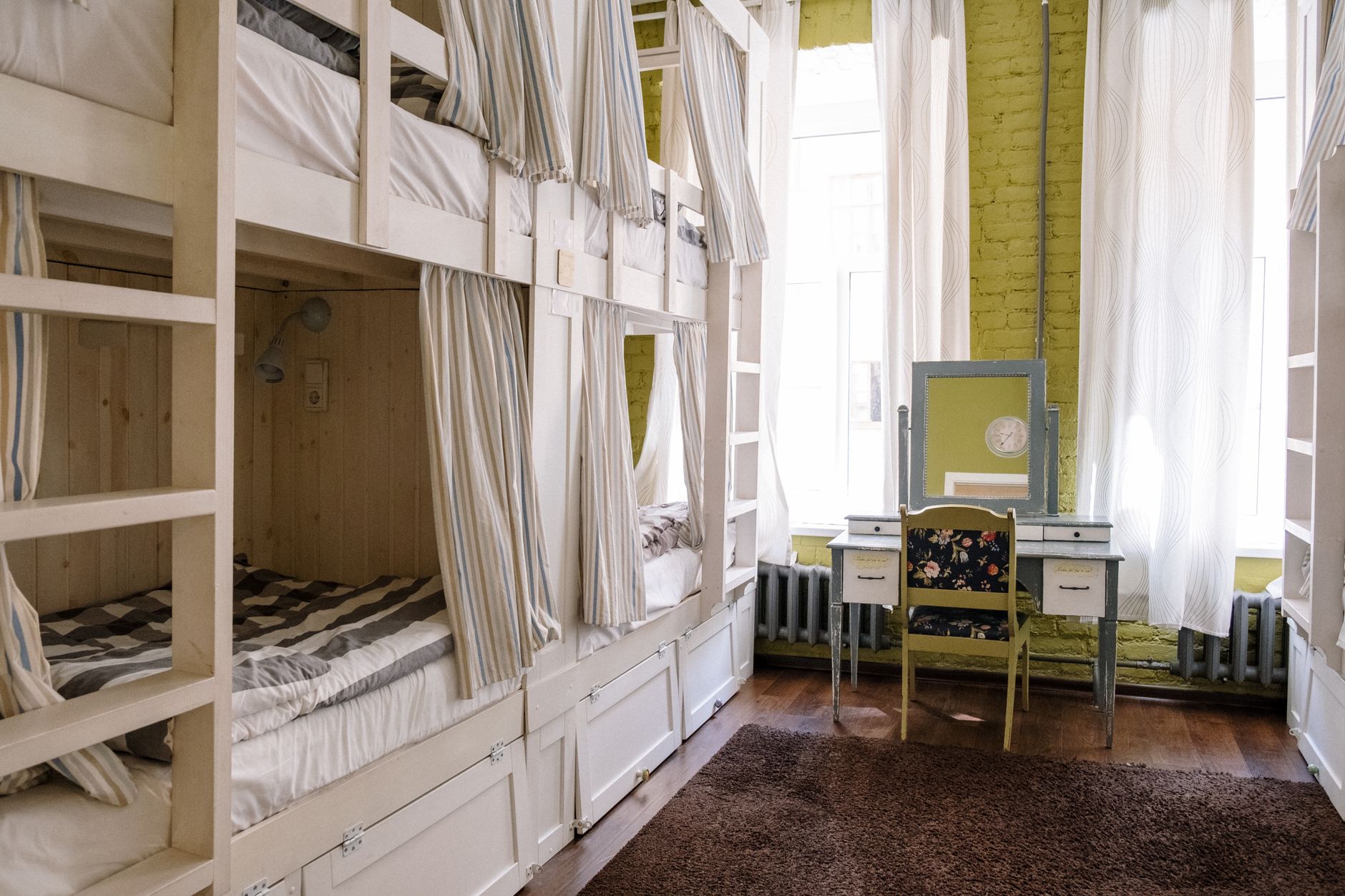
A room doesn't need to be all one price tier to look genuinely cohesive. Anchor a space with one or two higher-quality pieces — often the sofa and maybe a dining table — and build around them with more budget-friendly accents, decor, and smaller furniture that you might want to swap out as your taste evolves anyway. This approach tends to age better than an entirely budget room, and it's more financially sustainable than trying to furnish everything at a premium tier all at once.
Don't assume a higher price automatically means better quality without checking. I've seen plenty of expensive furniture that's really selling design exclusivity or brand name rather than meaningfully better construction — check the actual materials and reviews regardless of which price tier you're shopping in.
Assembly Quality Is a Real Factor Too
A lot of budget furniture arrives flat-packed and requires assembly, and the quality of that assembly process itself — not just the materials — genuinely affects how the piece performs long-term. Cam-lock fasteners common in cheaper flat-pack furniture tend to loosen with repeated movement or heavy use, while pieces using actual screws and dowels into pre-drilled, properly reinforced holes hold up considerably better over time. Read assembly-specific details in reviews, not just overall star ratings, if you're deciding between similarly priced options. For the fuller version of this specific question, see common lighting mistakes.
Where to Actually Shop for Each Category
For budget-friendly accent pieces and decor, big-box retailers and online marketplaces with a wide selection make comparison shopping easy, and return policies at most of these retailers make it low-risk to try something and send it back if it doesn't work out once you see it in person. For the higher-priority pieces worth spending more on, visiting a physical showroom to actually sit on a sofa or lie on a mattress before buying is worth the extra effort — comfort is genuinely hard to judge accurately from a product photo and a review alone, no matter how detailed either one is.
Building a Room Over Time Rather Than All at Once
You don't need to furnish an entire room in one shopping trip or one budget cycle. Buying your priority anchor pieces first and living with the space for a while before filling in accents and decor often produces a more thoughtful, cohesive result than trying to furnish everything at once under time pressure — and it spreads the actual cost out in a way that's easier on most household budgets besides.
Secondhand and Vintage Options Deserve Real Consideration
Estate sales, secondhand marketplaces, and vintage furniture stores often offer genuinely well-built older pieces at prices well below equivalent new furniture, especially for solid wood pieces built before manufacturing shifted heavily toward engineered materials. A secondhand find sometimes needs a little refinishing or reupholstering, but that combined cost frequently still comes in below a comparable new piece while getting you meaningfully better underlying construction than a new budget option would offer at the same price point. If that side of it applies to you, engineered vs. solid hardwood flooring covers it in more detail.
Return Policies Matter More Than People Check For
Before buying furniture online, especially larger pieces, check the specific return policy details — some retailers charge substantial restocking or return shipping fees for large furniture that make a return financially painful even if the policy technically allows it. This is worth checking before you buy, not after a piece arrives and doesn't work in your space the way you'd hoped, since a technically-allowed return that costs a meaningful percentage of the purchase price in fees isn't really the safety net it initially appears to be.
Warranty Coverage Varies More Than People Expect
Compare warranty terms across similarly priced furniture options rather than assuming they're all roughly equivalent — some budget brands offer surprisingly solid warranty coverage on frames and mechanisms specifically, which can meaningfully offset concerns about lower-tier materials elsewhere in the piece. A generous warranty is a real signal of a manufacturer's own confidence in their product's durability, and it's worth factoring into the comparison alongside price and initial appearance.
Ask What a Piece Is Actually Made Of, Not Just What It's Called
Marketing terms like "wood" or "leather" can be used loosely in furniture descriptions, sometimes referring to a wood veneer over engineered material or a faux leather product rather than the genuine article a shopper might assume from the name alone. Look for specific material callouts in the product details — solid wood versus veneer, genuine leather versus "faux" or "vegan" leather, which are different products with genuinely different durability profiles — rather than trusting a general category name to tell you what you're actually buying.