DIY Repairs vs. Calling a Pro: Where to Draw the Line
A straight answer on which home repairs are worth attempting yourself and which ones aren't.

What's inside 6 sections
Quick answer: Cosmetic and low-risk mechanical fixes — painting, caulking, unclogging a drain, replacing a faucet — are reasonable DIY territory. Anything involving gas lines, your electrical panel, structural changes, or roofing should go to a licensed pro, because the cost of a mistake there is a lot higher than the cost of the job itself.
I've seen homeowners save real money doing their own work, and I've also fixed the aftermath of DIY jobs that went sideways badly enough to cost more than just hiring it out right the first time. The line isn't about confidence or how many videos you've watched. It's about what actually happens if the job goes wrong.
Good DIY Territory

Painting, caulking, replacing a faucet or showerhead, unclogging a drain, patching small drywall holes, replacing door hardware, and basic yard and gutter maintenance are all reasonable for most homeowners with some patience and the right tools. The failure mode on these jobs, if you get it wrong, is usually just redoing it — annoying, but not dangerous and not expensive to correct.
These are also the jobs where labor makes up the biggest share of a professional quote, so DIYing them is where the real savings are. A faucet replacement that costs $250 professionally might be $60 in parts if you do it yourself. The current figures are maintained by the FTC's consumer protection resources, worth bookmarking if you want to check for updates. If that side of it applies to you, maintenance tasks homeowners tend to skip covers it in more detail.
Jobs That Belong to a Licensed Pro

Gas line work, main electrical panel changes, structural modifications (removing or altering load-bearing walls), and full roof replacement all belong on the pro side of the line, no exceptions. The reason isn't that these jobs are impossible to learn — it's that the failure mode is dangerous or extremely expensive, and often both. A gas leak, an electrical fire, or a roof that fails to actually keep water out aren't "redo it" mistakes.
Licensed work in these categories also usually requires permits and inspections for good reason, and unpermitted work in these categories can come back to bite you at resale, or worse, with your insurance company if something goes wrong and they find out the work wasn't done to code. We go deeper on home warranty vs. homeowners insurance in a separate guide, worth a look if it's relevant here.
The Middle Ground: It Depends
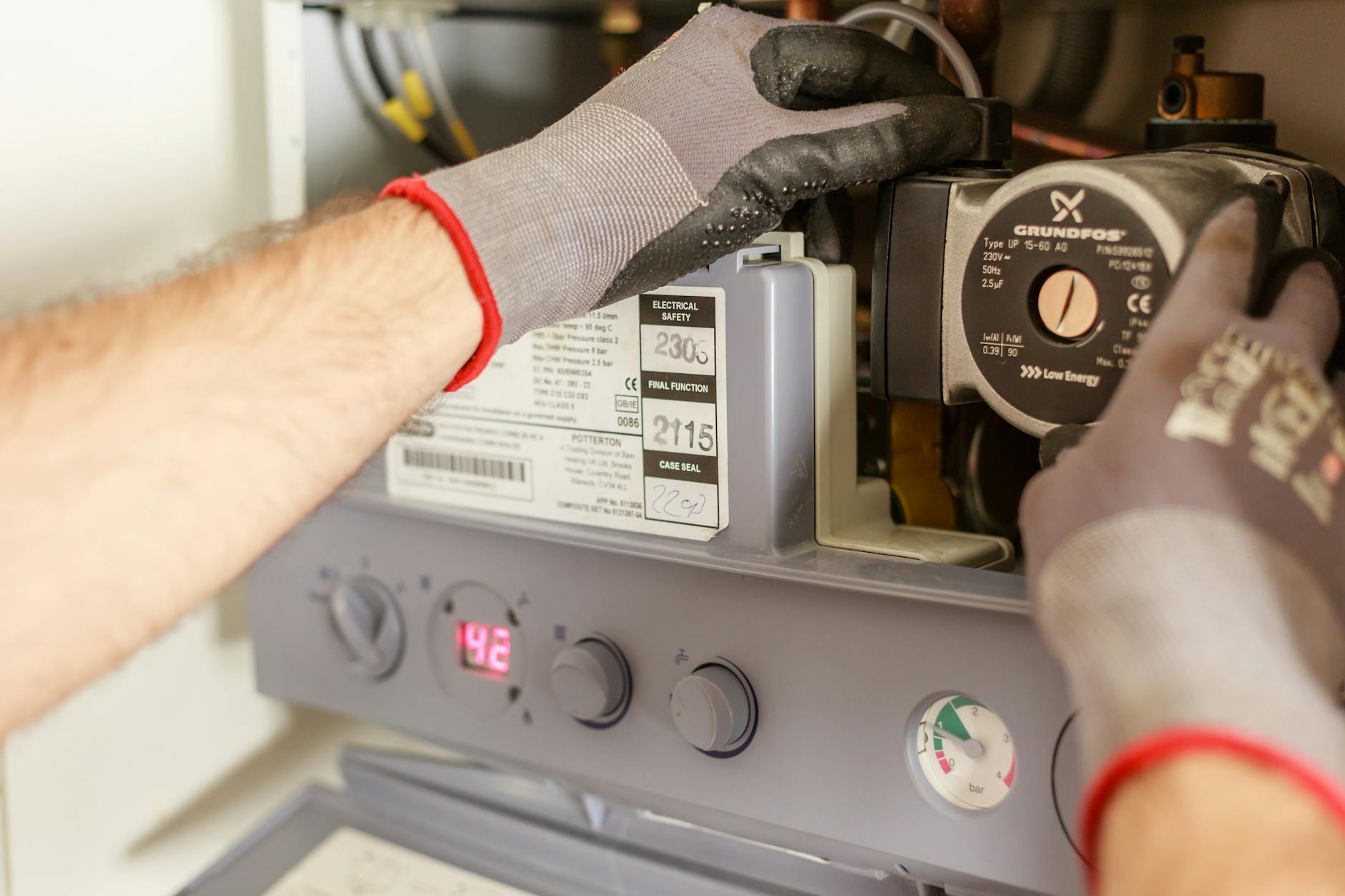
Some jobs live in genuine gray area depending on your specific skill, local code, and the complexity of the actual task. Installing a new light fixture on an existing circuit is very different from wiring a new circuit from the panel. Replacing a toilet is very different from rerouting a drain line. Minor tiling in a low-water-exposure spot is different from a full shower waterproofing job. If this is part of your situation, FHA vs. conventional loans is worth reading alongside it.
| Job | DIY-Friendly? | Why |
|---|---|---|
| Painting a room | Yes | Low risk, easy to redo if imperfect |
| Replacing a faucet | Yes | Straightforward, failure mode is minor |
| New light fixture, existing circuit | Usually | Low complexity if wiring is already correct |
| Shower waterproofing/tiling | Depends on skill | Mistakes cause hidden water damage |
| Gas line work | No | Safety risk, usually requires licensed work |
| Electrical panel upgrade | No | Fire/shock risk, code requirements |
Before starting any DIY job that touches plumbing, electrical, or structure at all, check with your local building department about whether a permit's needed. It's a five-minute phone call that can save you a much bigger headache at resale time.
How to Actually Decide

Ask yourself two questions before starting: what happens if this goes wrong, and can I clearly explain every step before I begin — not just "I watched a video," but actually understanding why each step matters. If the failure mode is dangerous or expensive, or you can't answer the second question honestly, that's your answer regardless of how confident you feel standing in the hardware store aisle. For the official rules on this, see the SBA's business guide.
The Tools and Time Factor People Forget to Count
Beyond safety and skill, factor in the real cost of tools you don't already own and the time a job will actually take you versus a professional. A specialty tool you'll use once might cost nearly as much to buy as the labor savings you're trying to capture by doing the job yourself, which sometimes makes renting the tool, or just hiring the job out, the more economical choice even for a task that's technically within your skill level.
Time matters too, in a way that's easy to underestimate. A job that takes a professional two hours because they've done it five hundred times can easily take a motivated but inexperienced homeowner a full weekend, including at least one trip back to the hardware store for a part or tool nobody realized they'd need. That's not a reason to avoid DIY entirely — plenty of people genuinely enjoy the process and don't mind the extra time — but it's worth being honest with yourself about whether the actual dollar savings are worth the time investment for your specific situation and schedule.
When a "Simple" DIY Job Reveals a Bigger Problem
Sometimes a straightforward DIY job — replacing a faucet, patching a small area of drywall — uncovers something bigger once you're actually inside the wall or under the sink: rot, old wiring that doesn't meet current code, plumbing that's clearly been patched incorrectly before. Know your own limit here and be willing to stop and call a professional partway through if what you find is beyond what you originally signed up for. Pride in finishing something you started is not a good enough reason to push through a problem that's now genuinely outside your skill level, especially once safety or structural integrity is potentially involved.
It's also worth thinking about resale and disclosure implications for any significant DIY work, even work done well. Some states require disclosing whether major repairs or renovations were done by a licensed professional or by the homeowner, and unpermitted DIY work on anything structural, electrical, or plumbing-related can complicate a future sale even if the work itself turned out fine. Keep receipts, photos, and notes on any significant DIY project, including what was done and when, so you have something concrete to show a future buyer or inspector rather than just your own word that the work was done properly.
At the end of the day, the honest self-assessment matters more than any general rule. Some homeowners are genuinely skilled and methodical enough to safely take on jobs that would be a bad idea for someone else, and some people who consider themselves handy are more confident than their actual skill level supports. Knowing which one you are, for the specific job in front of you, is the real skill this whole decision depends on.
When in doubt, get a professional's read on the job before you decide, even if you end up doing it yourself in the end. A quick consultation — some contractors will do this for a small fee, others as part of a bid — can tell you whether a job is genuinely straightforward or has hidden complexity that isn't obvious from the outside. That's cheap information relative to finding out the hard way, partway through a job you've already started tearing into.