What a Real Bathroom Remodel Costs, Room by Room
A breakdown of where the money actually goes in a bathroom remodel, from a simple refresh to a full gut renovation.

What's inside 9 sections
Quick answer: A cosmetic refresh — new paint, hardware, lighting, a new vanity — typically runs $3,000-$8,000. A midrange remodel with new tile, fixtures, and a vanity in the existing layout runs roughly $10,000-$20,000. A full gut renovation moving plumbing and reconfiguring the layout can run $25,000-$40,000 or more, depending on your market and finish choices.
Bathroom remodel budgets are one of the areas I see the widest gap between what people expect to spend and what a real project actually costs, mostly because the number depends enormously on whether you're keeping the existing layout or moving plumbing around. Let's break down where the money actually goes at each level.
Cosmetic Refresh: $3,000-$8,000
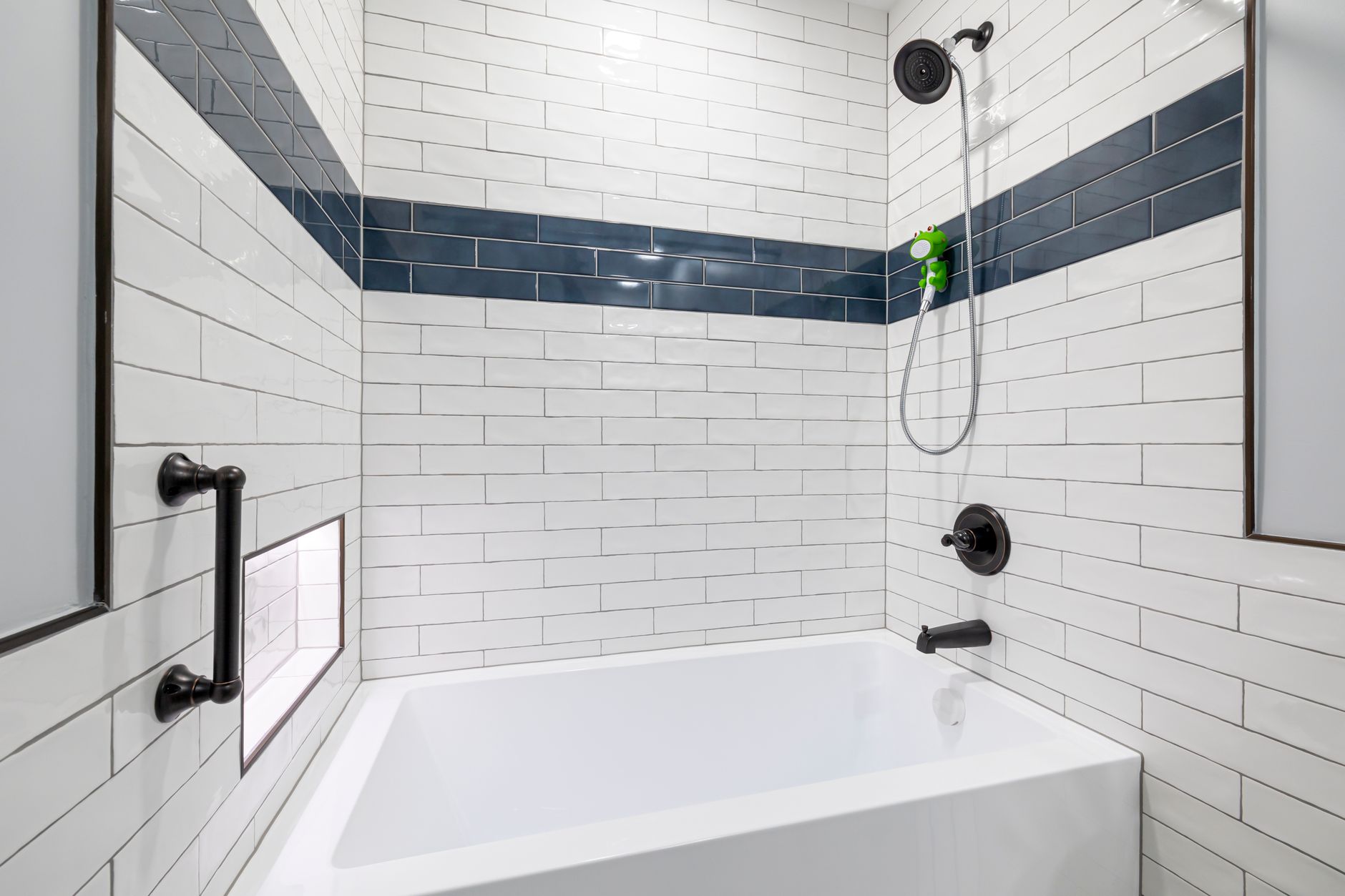
This tier keeps every fixture in its existing location and focuses on surface-level updates: fresh paint, new hardware and lighting fixtures, a new vanity and mirror, and possibly a new toilet if the old one's dated or inefficient. This is genuinely the best value tier if your existing layout works fine and the bathroom just looks tired rather than being functionally broken. For the government's own guidance on this specifically, see NAHB's housing economics research.
Midrange Remodel: $10,000-$20,000

This adds new tile flooring and possibly a tiled shower surround, new fixtures throughout, and often a full vanity and countertop replacement, all while keeping the existing plumbing locations. This is the tier where most of the visual transformation happens without the cost escalation that comes from moving pipes, and it's where I steer most homeowners who want a genuinely different-feeling bathroom without a full gut renovation's price tag. For the official rules on this, see the Census Bureau's construction statistics.
Full Gut Renovation: $25,000-$40,000+

This tier involves reconfiguring the actual layout — moving the toilet, sink, or shower to new locations, which means new plumbing runs and often new electrical to match. It's also where you'd convert a tub to a walk-in shower with custom tile work, add heated floors, or genuinely reimagine the room's footprint. This is the right tier if your current layout is actually the problem, not just the finishes — but know that plumbing relocation specifically is one of the biggest cost drivers in this tier, more than most people anticipate going in. We go deeper on choosing a paint color you won't regret in a separate guide, worth a look if it's relevant here.
| Tier | Typical Cost Range | What's Included |
|---|---|---|
| Cosmetic refresh | $3,000-$8,000 | Paint, hardware, lighting, vanity swap |
| Midrange remodel | $10,000-$20,000 | New tile, fixtures, vanity — same layout |
| Full gut renovation | $25,000-$40,000+ | Plumbing relocation, full layout change |
Upgrades Worth Adding While You're Already In There
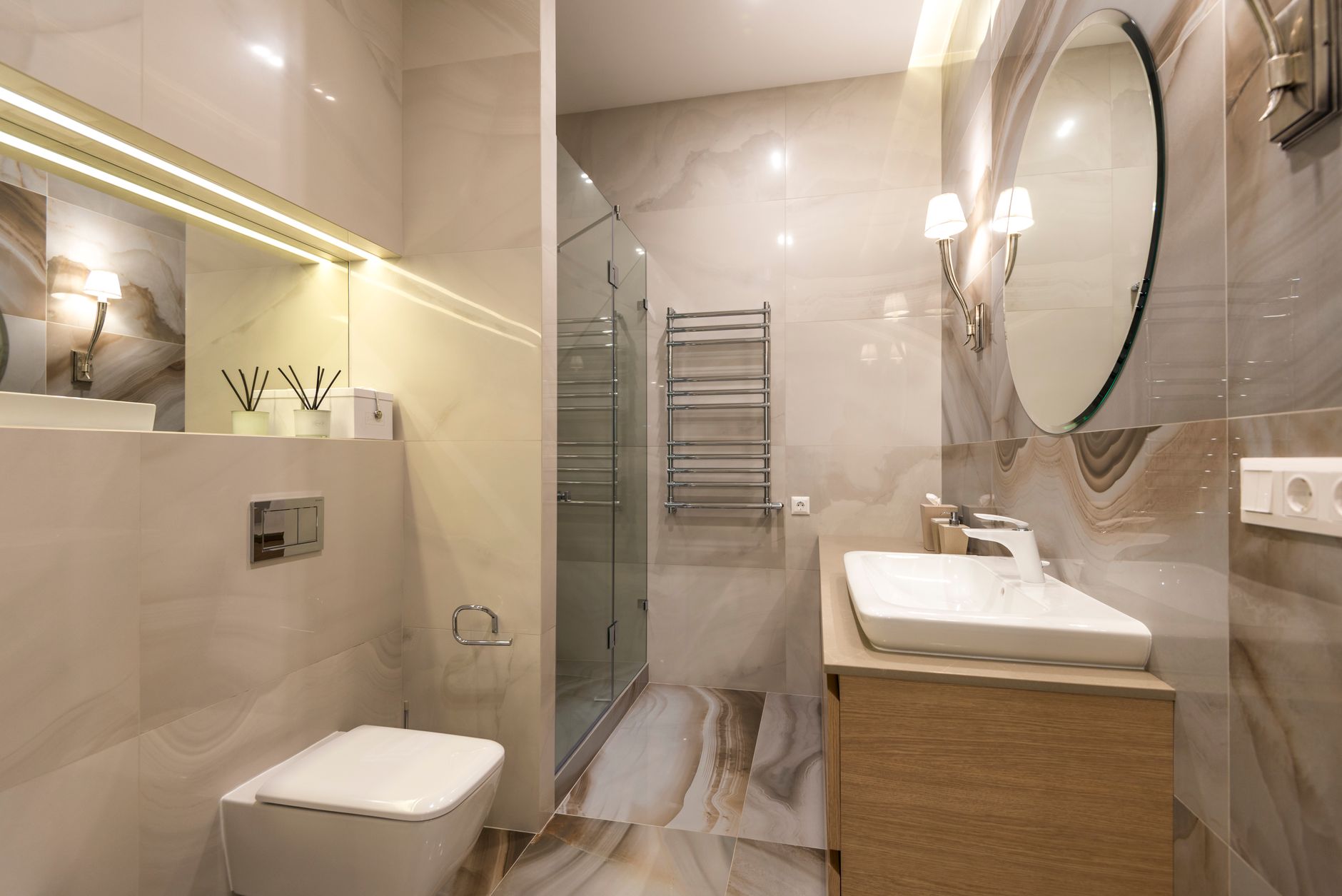
Heated floors are a genuinely popular addition, and the cost of adding them is much more reasonable while the flooring's already being torn up for a remodel than as a standalone retrofit later, which requires redoing the floor entirely just to add the heating element underneath. The same logic applies to better ventilation, additional electrical outlets, or in-wall niches for shower storage — anything that requires opening the walls is far cheaper to add during a remodel that's already opening those walls than as a separate project afterward.
Get quotes for the specific tier you're considering from at least two or three contractors, and be honest with them about whether you're open to keeping the existing layout — that single detail changes the estimate more than almost any finish choice you'll make.
Whatever tier fits your budget, remodel primarily for how you'll actually use and enjoy the space day to day, not purely chasing resale value. A well-executed remodel recoups a meaningful portion of its cost at resale in most markets, but it's rarely a full dollar-for-dollar return, so the daily enjoyment has to be worth it on its own terms too.
Where the Unexpected Costs Tend to Show Up
Once walls or flooring come up in an older bathroom, it's genuinely common to discover water damage, outdated plumbing that doesn't meet current code, or subfloor issues that weren't visible before demo started. This is exactly why the 15-20% contingency mentioned for kitchen renovations applies just as strongly here — bathrooms specifically, with their constant moisture exposure, are one of the more likely rooms in a house to reveal a hidden problem once the surfaces come off.
Ventilation Is Easy to Overlook and Expensive to Fix Later
A bathroom remodel is the ideal time to upgrade or properly route your exhaust fan if the current one is undersized or vents into the attic instead of outside — a genuinely common and problematic shortcut in older homes that contributes directly to mold and moisture issues over time. Fixing this after the fact means reopening finished walls or ceilings, so address it while everything's already exposed during the remodel itself rather than treating it as a lower priority than the visible finishes.
Choosing Fixtures That Actually Hold Up to Daily Use
Beyond the tier of remodel, spend time selecting fixtures — faucets, shower valves, toilet mechanisms — based on actual build quality rather than appearance alone, since these are used multiple times daily and a cheap mechanism failing within a couple of years means redoing work you just paid for. Read reviews specifically focused on longevity, and don't assume a higher price automatically means better mechanical quality; check the specific materials and warranty terms rather than trusting the price tag alone.
Waterproofing Is the Detail That Actually Determines Longevity
Behind the tile, the waterproofing membrane is what actually prevents water damage over the years — and it's completely invisible once the project is finished, which is exactly why it's the detail most likely to get shortchanged by a rushed or inexperienced installer. Ask directly about the specific waterproofing system your contractor plans to use in a shower or tub surround, and don't treat this as a minor detail just because you'll never actually see it once the tile goes up. A beautiful tile job over inadequate waterproofing is a problem waiting to surface, usually in the form of damage you won't discover until it's already spread behind the wall. This connects with finding a contractor you won't regret hiring, worth reading if you're weighing that angle too.
Accessibility Features Are Worth Considering Even If You Don't Need Them Yet
If you're planning to stay in the home long-term, consider incorporating accessibility-friendly features during a remodel even if they're not currently needed — a curbless shower entry, grab bar reinforcement built into the wall behind the tile (even without visible bars installed yet), and a wider doorway are all far easier and cheaper to build in now than to retrofit later. This kind of forward planning, sometimes called aging-in-place design, doesn't have to look institutional; well-designed accessible features blend into a modern bathroom design seamlessly.
Whatever tier and features you land on, a bathroom remodel done thoughtfully is one of the renovations most likely to genuinely improve your daily quality of life, not just your home's appearance — it's a room you use multiple times a day, every single day, for as long as you live there.
Plan carefully, budget honestly with a real contingency built in, and you'll end up with a bathroom that genuinely serves you well for many years, not just one that looks good in photos the week it's finished. It's a related question to budget-friendly furniture that doesn't look cheap, which digs into that side specifically.