Quartz vs. Granite Countertops: What Actually Matters Beyond Looks
Both look great in a showroom — here's how they actually perform once they're living in your kitchen.

What's inside 8 sections
Quick answer: Quartz is engineered, non-porous, and needs no sealing, which makes it more forgiving for a busy kitchen — but it's more heat-sensitive than granite. Granite is a natural stone with more visual variation and better heat tolerance, but it needs periodic sealing to stay stain-resistant. Neither is universally "better" — the right pick depends on how you actually use your kitchen.
I get asked about this pairing more than almost any other material decision in a kitchen renovation, and I get why — they're priced similarly, they both read as a genuine upgrade over laminate, and the showroom samples all look equally gorgeous under good lighting. The real differences only show up once the material's actually living in someone's kitchen for a few years, which is exactly the part a showroom visit can't show you.
What Quartz Actually Is and How It Performs
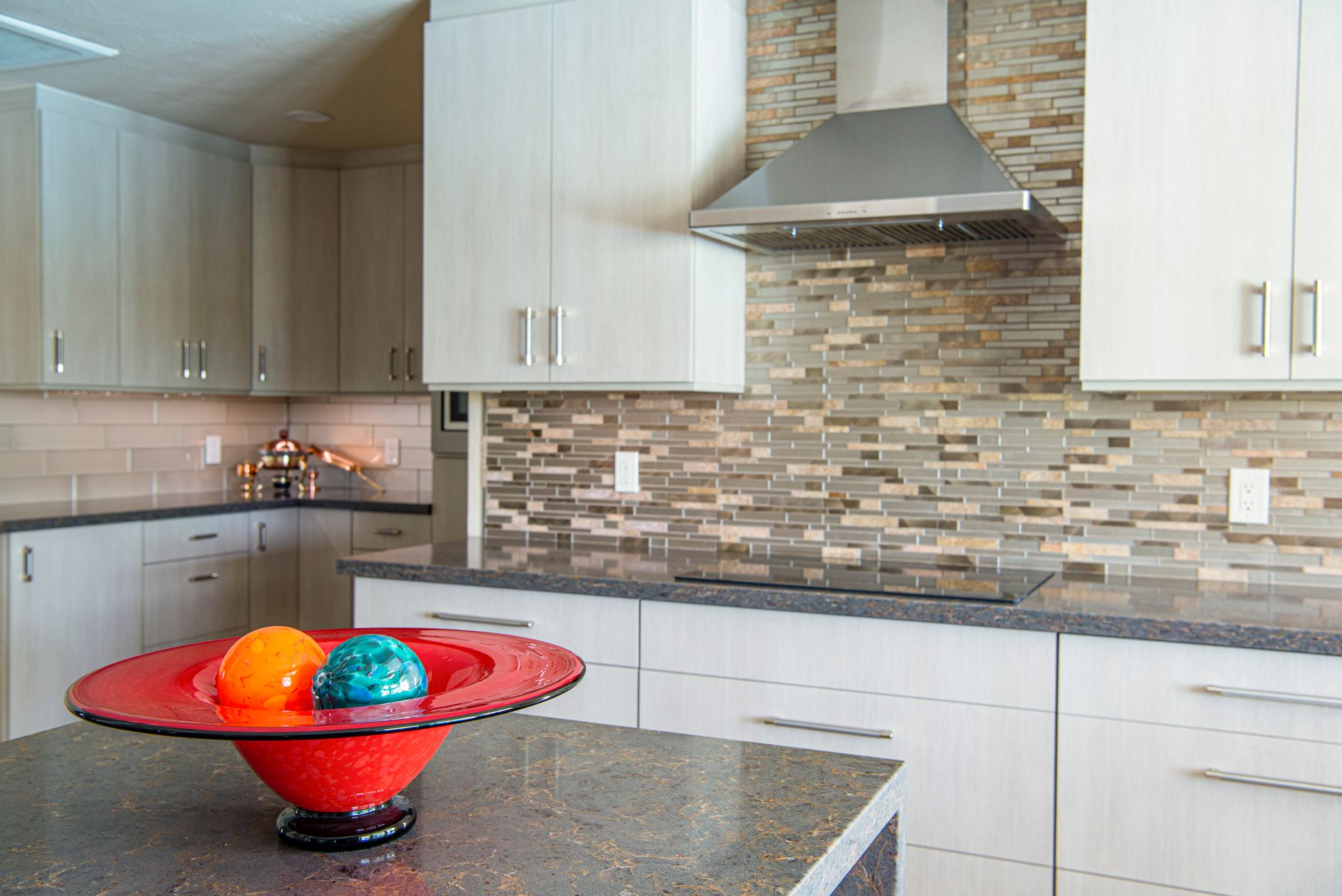
Quartz countertops are engineered — crushed natural quartz mixed with resin binders and pigments, which is why quartz offers a much more consistent, predictable pattern than natural stone, and why it comes in colors that don't exist in nature at all if that's the look you're after. Because it's non-porous, quartz resists staining from wine, oil, and acidic foods without ever needing to be sealed, which is a genuine day-to-day convenience for anyone who doesn't want another maintenance task on the calendar.
The tradeoff that catches people off guard is heat sensitivity. The resin binders in quartz can discolor, or in extreme cases crack, from sustained direct heat — a hot pan pulled straight off the stove and set down on the counter is exactly the scenario that causes this. If you're someone who regularly sets hot cookware directly on the counter rather than reaching for a trivet, that's a real behavioral change quartz asks of you, not just a theoretical risk. For the government's own guidance on this specifically, see the EPA's radon information page.
What Granite Actually Is and How It Performs

Granite is a genuine natural stone, quarried and cut into slabs, which means every single piece has unique veining and color variation — this is either the whole appeal or a drawback depending on whether you want a countertop that looks exactly like the sample you picked or one with its own individual character. Granite handles heat significantly better than quartz; setting a hot pan directly on it is generally fine, though it's still smart practice to use a trivet for consistency across your whole kitchen routine.
The maintenance tradeoff is sealing. Granite is porous at a microscopic level, and an unsealed or under-sealed surface can absorb liquids and stain, particularly from oil, wine, and acidic foods. Most granite needs resealing roughly annually, though the actual interval depends on the specific stone's porosity — a water-bead test, where you drop a little water on the surface and watch whether it beads up or starts soaking in within a few minutes, tells you more reliably than a fixed yearly reminder. If that side of it applies to you, the best smart home devices covers it in more detail.
Cost Comparison at Similar Quality Tiers

| Quartz | Granite | |
|---|---|---|
| Typical cost per sq ft (installed) | $50-$120 | $40-$110 |
| Sealing required | No | Yes, roughly annually |
| Heat tolerance | Moderate — use trivets | High — more forgiving |
| Pattern consistency | High, engineered | Unique per slab |
Cost ranges overlap significantly between the two at comparable quality levels, which means price alone rarely settles the decision — it usually comes down to which specific tradeoffs actually matter for how you cook and maintain your kitchen. The current figures are maintained by NAHB's housing economics research, worth bookmarking if you want to check for updates.
How to Actually Decide for Your Kitchen
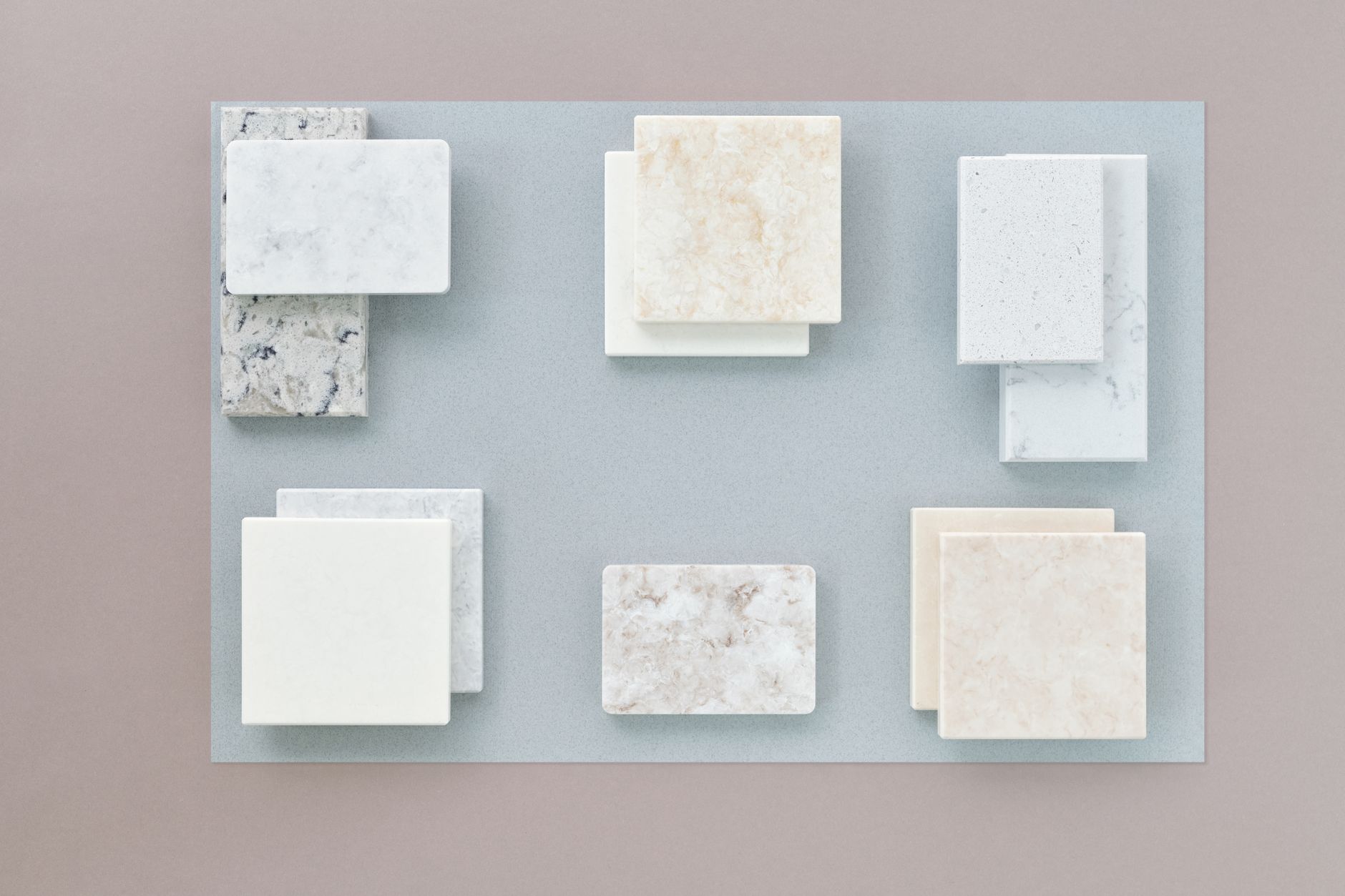
If you want the lowest-maintenance option and you're not worried about annual sealing fitting into your routine, or if you specifically want a very consistent, predictable pattern across a large kitchen with a lot of countertop area, quartz is generally the more convenient pick. If you love the idea of a truly one-of-a-kind natural stone, don't mind an annual sealing task, and tend to actually use trivets rather than setting hot pans straight onto the counter, granite is a genuinely great choice that a lot of design purists still prefer for exactly that natural, no-two-slabs-alike character. If this is part of your situation, what a real bathroom remodel costs is worth reading alongside it.
See both materials in person, in large slab format, under lighting similar to your actual kitchen before deciding — a small sample chip genuinely doesn't convey how either material's pattern and color will read across a full-size countertop, and this is one of those decisions where seeing the real scale matters enormously.
A Few More Practical Considerations Worth Weighing
Edge profile options, seam placement for larger kitchens needing multiple slabs, and how each material pairs visually with your specific cabinet finish are all worth discussing directly with your fabricator before finalizing either choice. A good fabricator has installed both materials extensively and can often flag a specific concern — a particular sink cutout, an unusual layout, a seam that would land somewhere visually awkward — that's easy to miss when you're focused purely on the material comparison itself.
Whichever you land on, budget for professional installation rather than attempting this yourself. Both materials are heavy, brittle under uneven support, and require precise templating that a fabricator's specialized equipment handles far more reliably than a DIY attempt — this is one renovation decision where the labor cost is genuinely worth paying for, regardless of which material you ultimately choose. We go deeper on renovation mistakes that hurt resale value in a separate guide, worth a look if it's relevant here.
Beyond the Kitchen: Other Rooms Where This Choice Comes Up
This same comparison applies to bathroom vanities, laundry room counters, and outdoor kitchen surfaces, though the calculus shifts a bit in each setting. A bathroom vanity sees far less heat exposure than a kitchen counter, which makes quartz's heat sensitivity essentially irrelevant there, while an outdoor kitchen surface faces UV exposure that can affect either material over time — some quartz formulations aren't rated for prolonged outdoor sun exposure at all, so check specifically before using it outside, whereas granite generally handles outdoor conditions without that particular concern.
Color and Pattern Trends Worth Knowing About
Quartz manufacturers have gotten remarkably good at replicating the look of natural stone, including marble-look patterns that give you much of visual appeal of marble without marble's notorious staining and etching vulnerability. If you love the look of a natural material but not its maintenance demands, ask your fabricator specifically about quartz options designed to mimic that look — this middle-ground option solves a real dilemma for a lot of homeowners torn between aesthetics and practicality.
What Long-Term Owners Actually Report
Anecdotally, homeowners who've lived with granite for many years tend to report that the annual sealing becomes a routine, forgettable task rather than an ongoing burden once it's built into a yearly household rhythm. Quartz owners, meanwhile, most commonly mention the heat sensitivity as the one adjustment that took genuine behavioral change — remembering to reach for a trivet became a habit, but it took conscious effort at first for households used to setting hot pans down without thinking about it.