Home Warranty vs. Homeowners Insurance: What Each One Actually Covers
They sound similar and get confused constantly — here's where the coverage actually splits.

What's inside 6 sections
Quick answer: Homeowners insurance covers sudden, unexpected damage to your home and belongings — fire, storms, theft, certain water damage. A home warranty covers the mechanical breakdown of specific systems and appliances from normal wear and age. They're not substitutes for each other, and each has real gaps the other doesn't fill.
I get asked this constantly, usually right after something's already broken and the person's trying to figure out which one — if either — is supposed to pay for it. The short version: insurance is about things that happen to your house. A warranty is about things that wear out inside it. Once you separate it that way, the rest gets a lot clearer.
What Homeowners Insurance Actually Covers

Homeowners insurance is built around the idea of a covered peril — a specific, named event that damages your property. Standard policies cover things like fire, lightning, windstorms, hail, theft, vandalism, and certain kinds of water damage, like a pipe that suddenly bursts. It also typically covers liability if someone's hurt on your property, and additional living expenses if your home's temporarily uninhabitable after a covered loss.
What it doesn't cover is just as important: normal wear and tear, gradual damage like a slow leak nobody noticed for months, most flood and earthquake damage (those are usually separate policies), and pest damage. If your roof needs replacing because it's 22 years old and just wearing out, that's not a covered loss. If it needs replacing because a windstorm tore half the shingles off last Tuesday, that is. We go deeper on finding a contractor you won't regret hiring in a separate guide, worth a look if it's relevant here.
What a Home Warranty Actually Covers
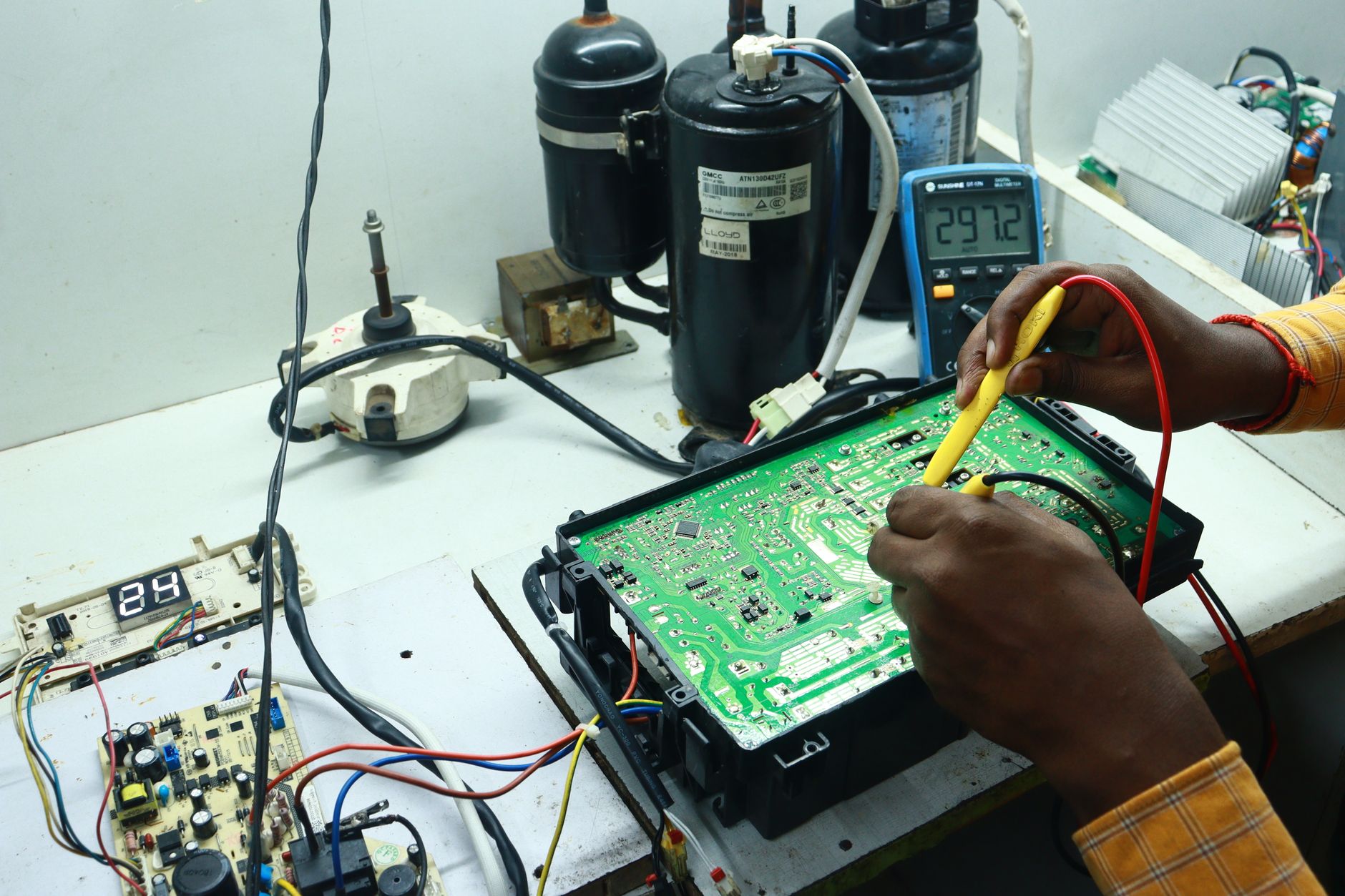
A home warranty is a service contract, not insurance, even though people use the words interchangeably. You pay an annual premium plus a service fee each time you use it, and in exchange the warranty company will repair or replace covered systems and appliances when they break down from normal use and age — things like your furnace, water heater, dishwasher, and electrical or plumbing systems, depending on the plan.
The catch, and it's a real one, is that every warranty contract is loaded with exclusions: pre-existing conditions, lack of proper maintenance, code violations, and specific parts that are simply not covered even under a "covered" appliance. Read the contract before you buy, not after you file a claim and find out the compressor on your AC unit was excluded the whole time. For the official rules on this, see the CFPB's Owning a Home resource hub.
| Homeowners Insurance | Home Warranty | |
|---|---|---|
| Covers | Sudden, specific perils (fire, storm, theft) | Mechanical breakdown from age/wear |
| Required for mortgage? | Almost always yes | No, optional |
| Typical annual cost | $1,500-$2,500 (varies widely by region) | $400-$800 |
| Per-claim cost | Deductible ($500-$2,000+) | Service fee ($75-$150) |
| Covers gradual wear? | No | Yes, that's the point |
Where People Actually Get Confused

The most common mix-up: a homeowner's furnace dies in January from simple old age, they call their insurance company, and get told it's not covered — because it isn't. That's textbook home warranty territory, not insurance. The reverse happens too: a warranty holder's basement floods from a storm and they call the warranty company, who tells them, correctly, that's an insurance claim, not a mechanical breakdown. If this is part of your situation, fixed-rate vs. adjustable-rate mortgages is worth reading alongside it.
If a system or appliance breaks and you're not sure which one applies, ask yourself: did something specific and sudden happen to it (storm, fire, a pipe bursting), or did it just wear out over time? That question alone sorts most claims correctly before you even make the call.
Deciding Whether You Need Both

Insurance isn't really optional if you have a mortgage — your lender will require it. The real decision is whether a warranty is worth adding on top. If your major systems and appliances are newer, still under manufacturer warranty, or you've got a healthy repair fund set aside, a home warranty is often money you don't need to spend. If you bought an older house with an HVAC system that's already 12 years old and appliances nobody's replaced since the Obama administration, a warranty can genuinely save you money the first time something big fails.
Either way, read the actual contract before you sign anything, not just the marketing page. The exclusions are where warranties earn their reputation, good or bad, and that reputation is built one denied claim at a time. See the FTC's consumer protection resources for the source data behind this.
What to Actually Check Before Buying a Warranty
If you're leaning toward a home warranty, look closely at the specific exclusions list for your particular plan, not just the general marketing category ("covers appliances," "covers HVAC"). A lot of contracts exclude specific components within an otherwise "covered" system — a compressor exclusion on an air conditioner, for instance, which happens to be the single most expensive part likely to fail. Ask directly what's excluded within each covered category rather than assuming coverage is comprehensive just because the system as a whole is listed.
Also check the service fee structure and response time guarantees. Some warranty companies use a limited network of contractors, and if that network is thin in your area, you could be waiting longer than you'd like for a technician when your AC fails in July. Read reviews specifically about claim response time and denial rates in your region, not just the company's national reputation, since service quality can vary a lot by location depending on which local contractors the warranty company has under contract.
When Insurance and a Warranty Claim Overlap
Occasionally a single incident touches both — a pipe bursts (a sudden, insurable event) and also floods and ruins a water heater that was already failing from age (a warranty-eligible mechanical issue). In cases like this, it's worth filing with both your insurer and your warranty company and letting each determine what falls under their coverage, rather than assuming one automatically covers everything just because the two events happened together. Keep documentation — photos, a written timeline of what happened — since you may need to show each company exactly which part of the loss you're asking them to cover.
Understanding this distinction ahead of time, before anything's actually broken, means you're not scrambling to figure out which company to call in the middle of an actual emergency. That clarity alone is worth the time it takes to read through both types of coverage now.
One more practical step worth taking now rather than later: keep both your insurance policy and any warranty contract in the same easily accessible place — a folder, a labeled email, a cloud drive, whatever you'll actually remember — along with the customer service numbers for each. In an actual emergency, being able to find the right document and the right phone number in thirty seconds instead of twenty minutes of searching genuinely changes how smoothly the claims process goes from that very first call.
And review both annually, not just once when you first buy the house. Insurance policies change coverage terms and premiums over time, and warranty contracts can have renewal terms that shift too. A five-minute annual check-in on what's actually covered saves you from discovering a coverage gap only after you're already filing a claim and hoping for the best. If that side of it applies to you, signs your water heater is about to fail covers it in more detail.