9 Signs Your Water Heater Is About to Fail
Catch these warning signs early and you replace a water heater on your schedule, not the day it floods your utility closet.

What's inside 6 sections
Quick answer: Rusty water, a rumbling tank, water pooling at the base, an age past 10 years, and inconsistent hot water are the signs that mean you're on borrowed time — start shopping for a replacement before the tank fails on its own schedule instead of yours.
I've replaced enough water heaters to know most people wait until it's already leaking on the floor. By then you're not shopping for a water heater anymore, you're doing an emergency install with whoever can show up same-day, and you're paying whatever that costs. Catch it early and you get to compare prices, pick your unit, and schedule the install on a normal Tuesday instead of a Sunday night flood.
The Water Itself Is Telling You Something

1. Rusty or discolored hot water. If your cold water runs clear but the hot water comes out rust-colored or metallic-smelling, that's corrosion happening inside the tank, not somewhere further down the line. It won't fix itself, and it gets worse.
2. A sulfur or rotten-egg smell from the hot tap only. This is usually bacteria reacting with the anode rod inside the tank, and it tends to show up right around the time that rod has worn down enough to stop protecting the tank from corrosion — which means the tank's next.
3. Sediment coming out with the hot water. Grainy or gritty water is sediment breaking loose from the bottom of the tank. A little bit after a flush is normal. A steady amount every time you run hot water is not.
Sound and Sight Around the Unit

4. Rumbling, popping, or banging sounds. Sediment builds up at the bottom of the tank over years, and once there's enough of it, water gets trapped underneath and boils against the hot surface, which is what makes that popping noise. Heavy sediment also means the tank is working harder than it should to heat water at all.
5. Any water pooling at the base of the tank. Check the fittings first — sometimes it's just a loose connection you can tighten. But if the fittings are dry and there's still water at the base, that's very likely the tank itself starting to fail, and there's no fixing a cracked or corroded tank. It's a replacement, full stop.
6. Visible rust on the tank exterior, especially near the bottom seam. Surface rust on the jacket is cosmetic. Rust around the bottom seam or the drain valve is a different story — that's often where the tank actually gives out first.
| Sign | What It Usually Means | Urgency |
|---|---|---|
| Rusty hot water | Internal corrosion | Schedule replacement soon |
| Water pooling at base | Tank crack or seam failure | Replace now |
| Rumbling/popping | Sediment buildup | Flush tank, monitor closely |
| Age over 10 years | Nearing end of expected lifespan | Start shopping now |
How the Unit Is Performing
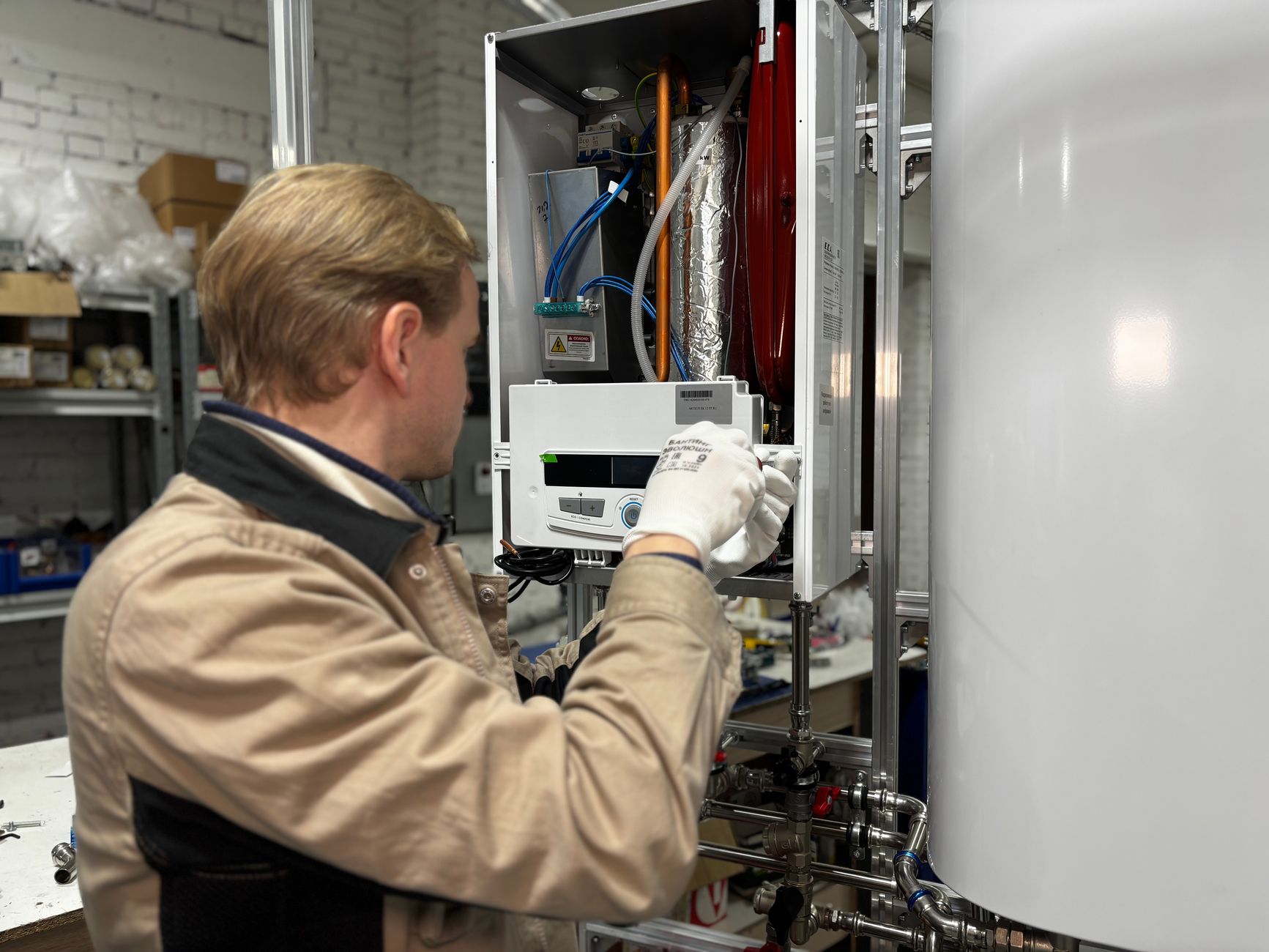
7. Hot water running out faster than it used to. If a shower that used to last comfortably now runs cold halfway through, and nobody added a new appliance or bathroom to the house, the tank's heating capacity is dropping — often because sediment is taking up space that used to be water.
8. Inconsistent water temperature. Water that's hot, then lukewarm, then hot again within the same shower usually points to a failing heating element (electric units) or a thermocouple/burner issue (gas units). Either is fixable if the tank's otherwise young, but it's also a sign the unit is starting to struggle overall. This is exactly the kind of thing a home inspector flags without much comment — if you've ever wondered what actually happens during a home inspection, a water heater nearing the end of its service life is one of the more common notes that shows up on the report.
Know where the shut-off valve for your water heater is, and confirm it actually turns. A stuck or corroded shut-off valve is a common problem on older installations, and discovering it doesn't work in the middle of an active leak turns a bad situation worse fast. Test it gently once a year, and if it's seized up, get it replaced before you actually need it in an emergency.
Age and the Math That Comes With It

9. The unit is simply old. Most standard tank water heaters are built for an 8 to 12 year service life. Once you're past year 10, the odds of a failure climb fast, and a tank that fails doesn't usually give you a slow leak to plan around — it can go all at once.
Check the manufacture date on the unit's data plate, usually near the top. Most tanks are stamped with a date code, not a plain date — if you can't decode it, the manufacturer's website usually can from the serial number. If yours is in that window and showing even one of the signs above, get quotes now. While you're comparing units, ENERGY STAR's certified product directory is a solid way to check efficiency ratings across tank and tankless models before you buy — the difference in annual operating cost between a middling unit and a top-rated one adds up fast over a decade of use.
What to Do Once You See These Signs
Spotting a warning sign doesn't mean the tank fails tomorrow, but it does mean it's time to start planning instead of waiting. Get two or three quotes from local plumbers for a replacement, and ask each one specifically about tank size, energy efficiency ratings, and whether a tankless system makes sense for your household given your actual hot water usage. Tankless units cost more upfront but can last considerably longer and use less energy over time — the Department of Energy's Energy Saver program has a straightforward breakdown of how tank and tankless systems compare on lifetime energy use if you want the numbers before you commit to one over the other.
If you're not ready to replace it immediately, at minimum install a water leak sensor near the base of the tank. It's one of the cheaper entries on any list of smart home devices worth having as a homeowner, and it sends a phone alert the moment it detects moisture — turning a potential flood into a contained, manageable problem you catch within minutes instead of days.
A Word on Where the Tank Sits in Your House
Location matters more than people think when a water heater does eventually fail. A tank in a basement with a floor drain nearby is a much less costly failure than one in a second-floor utility closet sitting directly above finished living space below. If your water heater is anywhere that a failure would cause real damage to the floors or rooms beneath it, that's extra reason to be proactive about replacement timing rather than waiting for a hard failure to force the decision — and it's worth asking your plumber about installing a drain pan with an overflow line to the outside or a floor drain if one isn't already there, regardless of the tank's current age.
If you're on the buying side of a home and the inspection turns up an aging tank in a spot like that, it's not just a note to file away — it's leverage. Knowing the real replacement cost and urgency ahead of time is exactly the kind of detail that belongs in how you structure a competitive offer, whether that means negotiating a credit or simply going in with eyes open about what you'll need to budget for in year one.
A little planning here goes a long way. Nobody wants to think about their water heater until it's not working, but a tank that's showing its age is telling you something useful if you're willing to listen to it before it forces the conversation on its own terms.