
7 Red Flags to Watch for Before You Sign a Lease
Catch these on the walkthrough and in the paperwork, before you're financially committed to a bad rental.

What's inside 13 sections
Quick answer: Watch for pressure to sign immediately, vague or missing maintenance commitments, unexplained fees buried in the lease, visible water damage or pest signs, an unreachable landlord, a rent price that seems too good to be true, and any refusal to give you a copy of the lease in advance. Any one of these is worth pausing over before you sign.
By the time a lease dispute lands in front of me, the tenant is usually describing a problem that had warning signs during the very first walkthrough — signs that got waved off in the excitement of finding a place that seemed to fit. Here's what to actually watch for before you're financially committed.
1. Pressure to Sign Immediately

"There are three other people looking at it today, so you'd need to decide now" is a common line, and sometimes it's true. But a landlord who won't give you even a day to actually read the lease, or refuses to email you a copy in advance so you can review it somewhere other than standing in the unit, is prioritizing a fast signature over an informed tenant. That's worth noticing on its own. For the government's own guidance on this specifically, see the FTC's consumer protection resources.
2. Water Stains, Musty Smells, or Visible Pest Signs

A water stain on a ceiling or wall usually means an active or recently active leak, not a cosmetic issue that's already been resolved. A musty smell often points to mold or moisture problems that aren't visible yet but will be soon. Ask directly what caused it and whether it's been fixed — and get that answer in writing if you're still interested in the unit after seeing it.
3. Vague or Verbal-Only Repair Promises
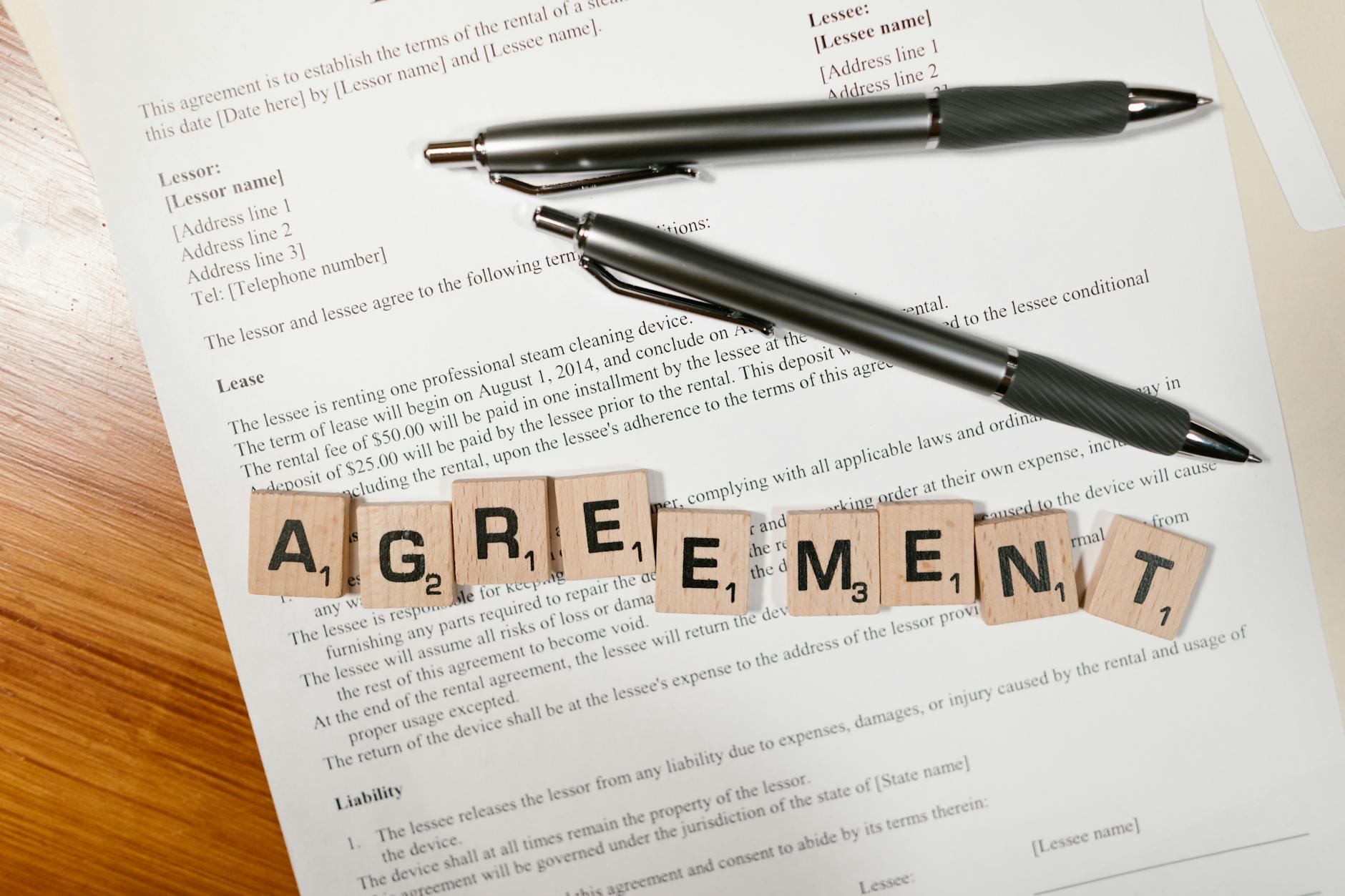
"Oh, we'll get that fixed before you move in" is easy to say and easy to forget once you've signed and the leverage has shifted. If a landlord commits to a repair before move-in, get it in writing as a lease addendum with a specific date, not a verbal assurance during the showing. It's a related question to subletting vs. assigning a lease, which digs into that side specifically.
4. Unusually Low Rent for the Area

A price noticeably below comparable units nearby isn't automatically a scam, but it warrants a closer look, not less scrutiny. Confirm the person you're dealing with actually owns or manages the property — ask for documentation if anything feels off — and never send money for a unit you haven't seen in person or verified through a legitimate source.
| Red Flag | What to Do About It |
|---|---|
| Pressure to sign same-day | Ask for 24 hours and a copy to review off-site |
| Water stains or musty smell | Ask cause and fix, get commitment in writing |
| Verbal-only repair promises | Require a written addendum with a date |
| Unreachable landlord pre-signing | Assume it won't improve after you sign |
5. Buried or Unexplained Fees
Read every line of the fee schedule, not just the headline rent number. Administrative fees, "convenience" fees for paying rent online, and vague "other charges as applicable" language can add up to a real difference in your actual monthly cost. Ask for a plain explanation of every fee before signing, not after your first bill arrives higher than expected.
6. An Unreachable or Slow-to-Respond Landlord
How responsive someone is before you've signed anything is close to the best predictor of how responsive they'll be once you're a tenant and something actually breaks. If getting a simple question answered during the application process takes days, that's not a one-time fluke — it's a preview. We go deeper on what every tenant should know about security deposits in a separate guide, worth a look if it's relevant here.
7. Refusal to Provide a Copy of the Lease in Advance
You have every right to request a copy of the lease before signing, and to take reasonable time to actually read it — including having someone else look it over if you want a second opinion. A landlord who resists this basic request is telling you something about how the rest of the relationship is likely to go.
Trust Your Reaction to the Neighbors and the Building Itself
Beyond what's in the paperwork, pay attention to what you notice during the visit itself. If you happen to run into a current tenant, a quick, honest question — "how do you like living here, any issues with maintenance response?" — can tell you things a landlord's own sales pitch never will. Notice the general condition of shared spaces too, if there are any: a poorly maintained hallway or a parking lot full of unaddressed potholes often reflects the same level of attention you can expect for issues inside your own unit later. The current figures are maintained by HUD's tenant rights overview, worth bookmarking if you want to check for updates.
Read the Renewal and Rent Increase Language Closely
Some leases include automatic renewal clauses with specific notice requirements to opt out, or language about how much notice you'll get before a rent increase and how that increase will be communicated. A lease that's vague or silent on this leaves you more exposed to a surprise increase or an automatic renewal you didn't intend to accept. This is a specific section worth reading slowly rather than skimming past on the assumption it's boilerplate — the details here vary more between leases than people expect. This connects with triple net vs. gross leases, worth reading if you're weighing that angle too.
Don't Let Excitement Override a Bad Answer
It's genuinely hard to walk away from a place you've already pictured yourself living in, especially after a search that's taken weeks. But that emotional investment is exactly what a red flag walkthrough is designed to protect you from — a bad answer to a direct question doesn't get better just because you really liked the natural light in the kitchen.
None of these red flags mean you should automatically walk away — some have reasonable explanations once you ask. But asking, and getting real answers in writing before you sign, is exactly the step that protects you if the reasonable explanation turns out not to be true.
Bring a Checklist to the Walkthrough Itself
Rather than relying on memory during a showing, bring a written checklist covering each of these red flags and actually work through it in the moment — test faucets, look under sinks, check for smells, ask directly about anything that gives you pause. A landlord showing a genuinely well-maintained unit with nothing to hide won't mind you taking the extra ten minutes to be thorough, and how they react to that request is itself a small but useful piece of information.
Second Opinions Are Worth Getting
If something about a unit or a landlord doesn't sit right but you can't quite articulate why, bring a friend or family member along on a second visit if you can. A second set of eyes, without the emotional investment of having already pictured themselves living there, often catches something you missed or asks a question you didn't think to raise the first time through.
Trust the Pattern, Not Just One Flag
A single red flag with a reasonable explanation isn't necessarily a dealbreaker on its own. But if you notice two or three of these signs stacking up during the same visit — a rushed signature push and a vague answer about a water stain and an unreachable landlord during scheduling — that pattern is worth taking a lot more seriously than any single flag in isolation. Trust the accumulation, not just each individual data point.

