Retail vs. Office vs. Industrial: Where the Investment Money Is Actually Going
A grounded look at how these three commercial property types compare on risk, income stability, and current demand.
What's inside 10 sections
Quick answer: Industrial has drawn the most sustained investor interest in recent years thanks to e-commerce-driven demand and simpler building maintenance. Retail performance now depends heavily on tenant mix and anchor strength. Office has become the most bifurcated category — strong, well-located buildings still perform, while lower-tier space in weaker locations has struggled with the shift toward hybrid work.
Investors ask me constantly which of these three property types is the "right" one to get into, and the honest answer is that it depends heavily on your risk tolerance, your local market, and how hands-on you want to be. Here's how the three actually compare right now.
Industrial: The Category That's Drawn the Most Attention

Warehouse and distribution space has seen sustained demand growth driven largely by e-commerce fulfillment needs, and this has pushed industrial cap rates down (prices up) in a lot of markets as investor competition for these assets increased. Beyond the demand story, industrial buildings tend to have simpler systems — fewer complex HVAC zones, less tenant-specific buildout — which appeals to investors who want lower ongoing management complexity alongside generally longer lease terms than retail or office.
The risk here isn't zero — overbuilding in some markets has started to soften rents in certain submarkets, and industrial demand is still tied to broader economic and consumer spending trends. But it remains the category with the most consistent positive investor sentiment of the three right now. We go deeper on subletting vs. assigning a lease in a separate guide, worth a look if it's relevant here.
Retail: Highly Dependent on Tenant Mix

Retail performance has become much less uniform than it used to be. A grocery-anchored center with a strong, stable anchor tenant and complementary smaller tenants can perform very well, benefiting from consistent foot traffic that's proven relatively resistant to e-commerce competition. A center anchored by a struggling national retail category, or one relying heavily on a single tenant with no co-tenancy protection built into other leases, carries a lot more real risk.
The lesson for retail specifically is that the property type label matters much less than the specific tenant mix and anchor strength of the individual property you're looking at. If that side of it applies to you, triple net vs. gross leases covers it in more detail.
| Property Type | Current Demand Trend | Key Risk Factor |
|---|---|---|
| Industrial | Strong, sustained | Overbuilding in some submarkets |
| Retail | Highly tenant-dependent | Anchor tenant/category weakness |
| Office | Bifurcated — strong buildings vs. weak | Hybrid work reducing overall demand |
Office: The Most Divided Category
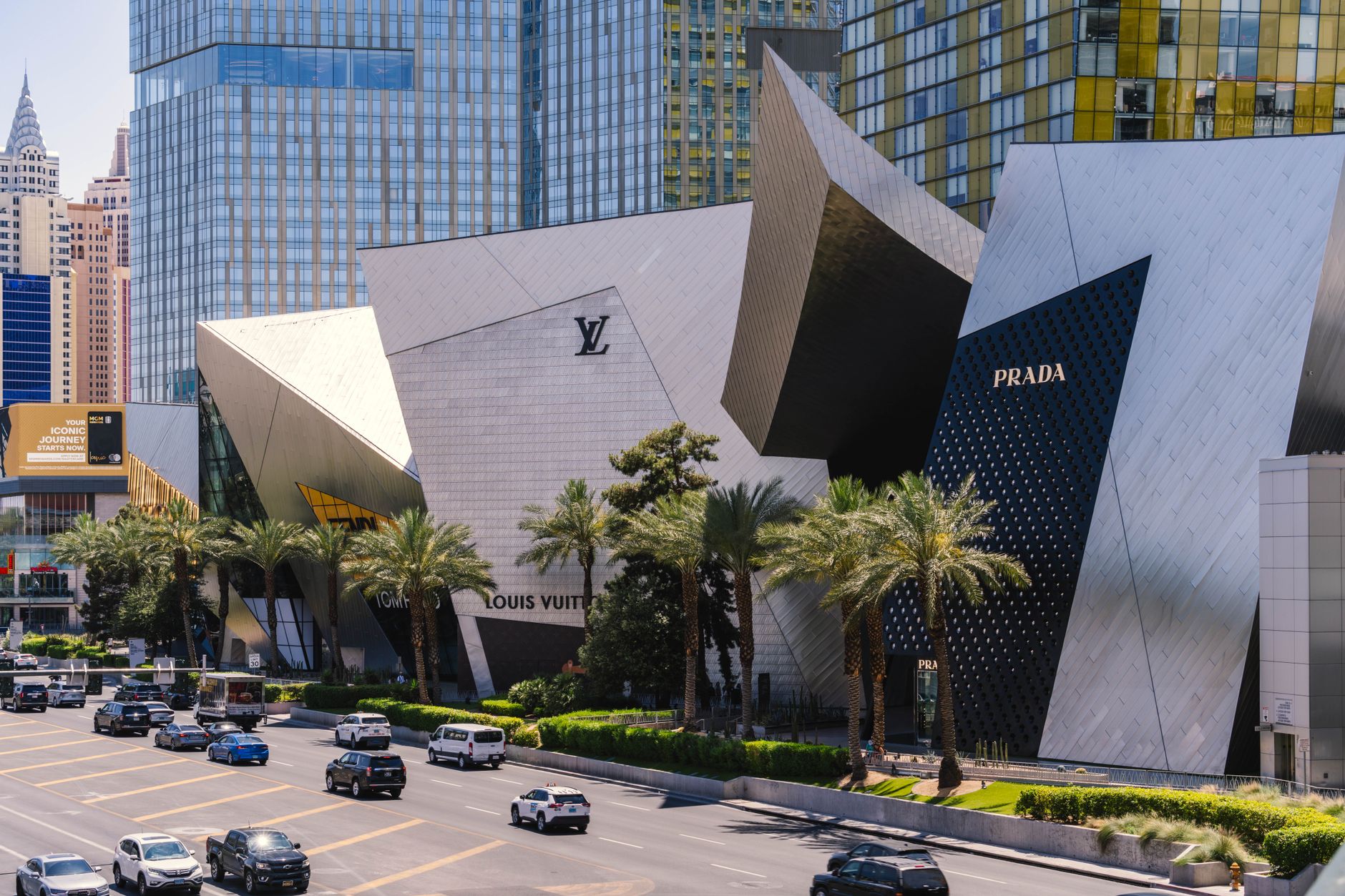
Office has experienced the most significant shift of the three, as hybrid and remote work arrangements have reduced overall space demand in many markets. But this hasn't hit every office building equally — well-located, higher-amenity buildings with strong tenant demand have generally continued to perform, while older, lower-tier space in less desirable locations has struggled with rising vacancy and falling rents.
Treating "office" as a single category to be bullish or bearish on misses the point. The performance gap between a top-tier building and a struggling one in the same city can be enormous, which makes individual property due diligence more important in office than in either of the other two categories right now.
Matching Property Type to Your Own Situation

Beyond the broad category trends, think honestly about your own management bandwidth and risk tolerance. Industrial and well-anchored retail often suit investors who want more predictable, longer-term leases with less hands-on management. Office can offer real opportunity for investors willing to do deep diligence on specific buildings and tenant quality, but it demands more careful analysis than simply following the broader category headlines. There's no universally "right" category — there's a right fit for your specific goals, capital, and appetite for active management. This connects with property management software for small landlords, worth reading if you're weighing that angle too.
How Location Interacts With Property Type
Within any of these three categories, location still matters as much or more than the category label itself. A well-located office building in a supply-constrained downtown core can meaningfully outperform a generic industrial building in an oversupplied secondary market, even though the broader category trend might suggest the opposite. Never let category-level headlines substitute for genuine, property-specific location analysis — proximity to major transportation routes, labor pools, and complementary businesses all still matter enormously within each category.
Diversifying Across Property Types
Investors with enough capital to hold multiple properties often deliberately diversify across property types rather than concentrating entirely in whichever category currently has the most favorable headlines. This spreads risk across different demand drivers — industrial's e-commerce tailwind, retail's tenant-specific dynamics, office's location-dependent performance — so that a downturn concentrated in one category doesn't disproportionately affect an entire portfolio. This kind of diversification isn't accessible to every investor's capital level, but it's worth keeping in mind as a long-term goal even for someone starting with a single property today.
What's Likely to Change Going Forward
Property type performance trends aren't permanent, and today's clear favorite can shift as market conditions evolve — supply catches up with demand, interest rates move, consumer and business behavior continues adapting. Treat any current-period assessment, including this one, as a snapshot rather than a permanent ranking, and revisit the broader category trends periodically rather than assuming today's conventional wisdom about industrial, retail, or office will hold indefinitely into the future. For the official rules on this, see the Federal Reserve's H.15 interest rate release.
What Local Data Can Tell You That National Headlines Can't
National commentary on any of these three property types reflects broad averages that can mask significant local variation. Before committing capital based on a general category trend, pull local market data — vacancy rates, absorption trends, new construction pipeline — for your specific target market rather than relying entirely on national commercial real estate commentary. A local commercial broker with deep knowledge of your specific submarket is often a more valuable resource at this stage than any amount of general reading about national trends.
Every market tells its own story, and the best opportunities often exist precisely where local data and national headlines disagree. For the primary source behind this, the Census Bureau's construction statistics is worth checking.
Financing Availability Also Varies by Property Type
Beyond the property's own performance characteristics, lenders' appetite for financing varies by property type and can shift over time — some periods see lenders favoring industrial financing while pulling back on office lending, for instance. This affects not just your ability to get financing at all, but the specific terms, down payment requirements, and rates you'll be offered. Talk to a commercial lender early in your search process to understand current financing conditions for your specific target property type, since this can meaningfully affect which opportunities are actually accessible to you right now.
The Bottom Line for a New Investor Weighing These Three
If you're newer to commercial real estate investing and trying to choose a starting point among these three categories, weigh the generally lower operational complexity of industrial and well-anchored retail against the potentially higher upside — and higher diligence requirements — of office. There's genuine opportunity in all three right now for the right property and the right buyer, and the category label matters less in the end than the specific due diligence you do on the individual asset in front of you.